Please, click < Music Plus C> above at the Menu Bar to listen.
<Music>
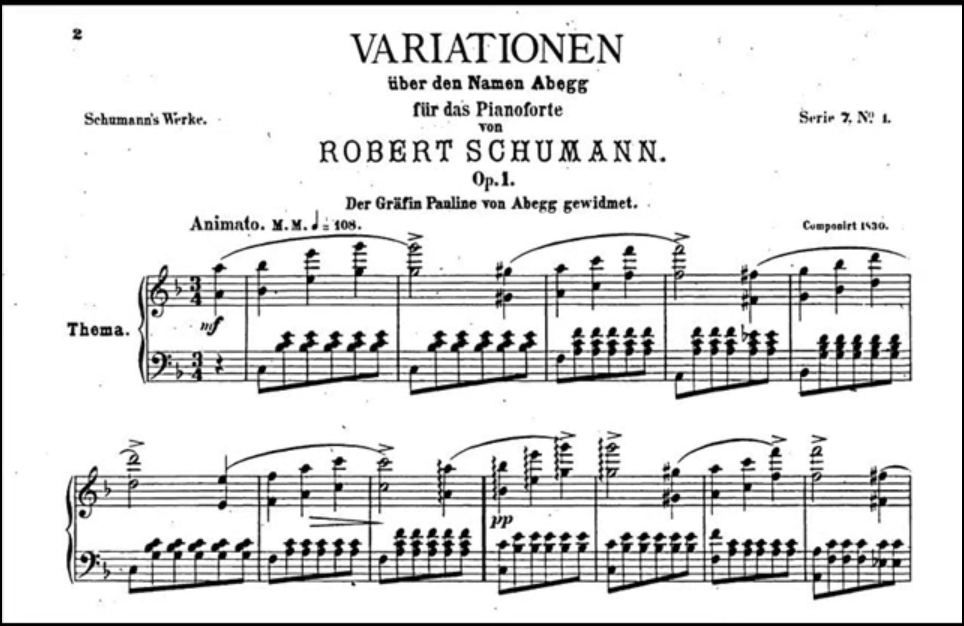
Schumann Abegg variations, Op.1′
-정현구-
동기 또는 짧은 악구의 반복은 고전 음악이든 근대 음악이든 악곡의 구성상 하나의 근본적인 원칙이 되는 것으로, 특히 고전주의 음악에서는 반복법에 의해서 도안적으로 구성되는 경우가 많다.
슈만의 <Abegg variations, Op.1>은 주제의 구성을 목적으로 하는 직접 반복의 예를 가장 잘 볼 수 있는 곡이다.
특히, 짧은 악구가 기계적으로 반복되는 동형진행이 쓰여 주제가 구성되어 단순하고 간결하다. 이렇게 동형진행으로 주제를 만드는 경우 일반적으로 네번 반복하고 이것을 전반악절로 하여 그 전체를 다시 한번 반복하여서 완전종지를 고한다. 따라서 그 결과는 같은 악구를 도합 여덟번 반복하게 된다.
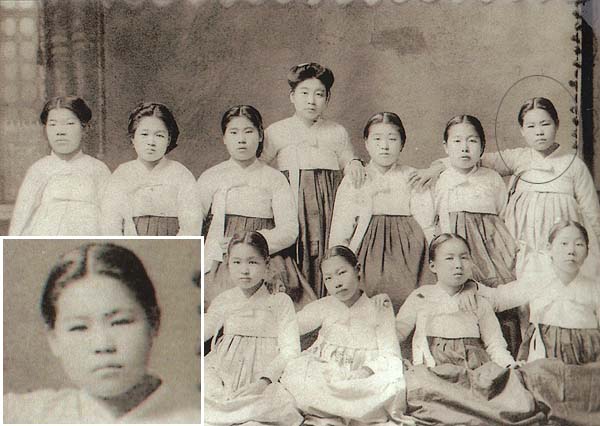
Photo; 유관순(Yu Kwan Soon)Yu Kwan Soon led a first demostration: Now it become a symbol of ‘Sam IL Independence Movement’ in Korea.
March First Movement
Alternative title: Samil Independence Movement
Written by The Editors of Encyclopædia Britannica
March First Movement, also called Samil Independence Movement, series of demonstrations for Korean national independence from Japan that began on March 1, 1919, in the Korean capital city of Seoul and soon spread throughout the country. Before the Japanese finally suppressed the movement 12 months later, approximately 2,000,000 Koreans had participated in the more than 1,500 demonstrations. About 7,000 people were killed by the Japanese police and soldiers, and 16,000 were wounded; 715 private houses, 47 churches, and 2 school buildings were destroyed by fire. Approximately 46,000 people were arrested, of whom some 10,000 were tried and convicted.
The movement was begun by 33 Korean cultural and religious leaders who, after almost 10 years of Japanese rule, drew up a Korean “Proclamation of Independence” and then organized a mass demonstration in Seoul for March 1, 1919, their late emperor’s commemoration day. On the appointed day, the 33 leaders, hoping to bring international pressure on Japan to end her colonial rule in Korea, signed and read their proclamation and had coconspirators read it in townships throughout the country. The suppressed anti-Japanese feelings of Koreans were released in one great explosion, and mass demonstrations took place in many parts of the country, forming the largest national protest rallies against foreign domination in Korean history.
Today, March 1 is a national holiday in South Korea.(edited)
그립다고 써보니 차라리 말을 말자
그냥 긴 세월이 지났노라고만 쓰자
긴긴 사연을 줄줄이 이어
진정 못 잊는다는 말을 말고
어쩌다 생각이 났었노라고만 쓰자
그립다고 써보니 차라리 말을 말자
그냥 긴 세월이 지났노라고만 쓰자
긴긴 잠못 이루는 밤이면
행여 울었다는 말을 말고
가다가 그리울 때도 있었노라고만 쓰자
「서 시 (序詩)」
죽는 날까지 하늘을 우러러
한점 부끄럼이 없기를
잎새에 이는 바람에도
나는 괴로와 했다
별을 노래하는 마음으로
모든 죽어가는 것들을 사랑해야지
그리고 나한테 주어진 길을
걸어가야겠다
오늘밤에도 별이 바람에 스치운다
최근 이야기,
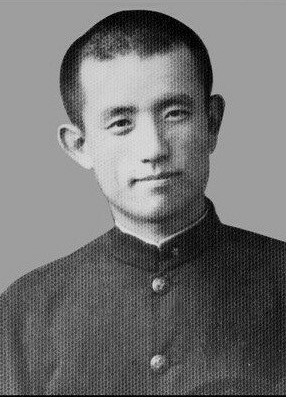
○ 2016년 2월, 한국사회는 다시 시인 윤동주와 마주했다. 이준익 감독의 영화 ‘동주’가 개봉하면서다. 사람들은 영화를 보고, 영화에 등장한 그의 시를 읽고, 시인의 삶을 이야기한다. 스물여덟 살, 미완의 청춘이 일본 후쿠오카 형무소에서 안타까운 죽음을 맞은 지, 70년하고도 1년이 더 흐른 시간. 많은 것이 변했지만 그의 이름 앞에 붙어 있는 ‘한국인이 가장 사랑하는 시인’이란 타이틀만큼은 그대로다.
○ 부모가 자식을 죽이고도 버젓이 살아가고, 탐욕에 눈이 멀어 생명을 지키지 못하고도 누구 하나 머리 숙이지 않는 ‘염치를 모르는 시대’. 이런 시대에 평생 부끄러움에 어쩔 줄 몰라 했던 시인을 마주한다는 것은 어떤 의미일까?
?옛날 이야기..
1925년 4월 4일 명동 소학교에 입학하였고, 같은 학년에 고종사촌 송몽규, 당숙 윤영춘(가수 윤형주 부친), 외사촌 김정우, 문익환(문성근 배우 부친)이 있었습니다. 5학년때 급우와 함께 <새명동>이란 잡지를 만듭니다.1931년 3월15일 졸업 선물로 김동환의 <국경의 밤>을 받고 3월20일 졸업합니다.
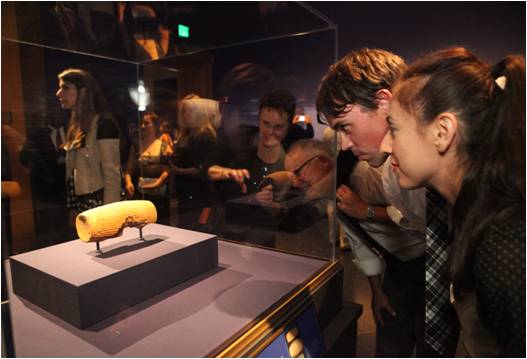
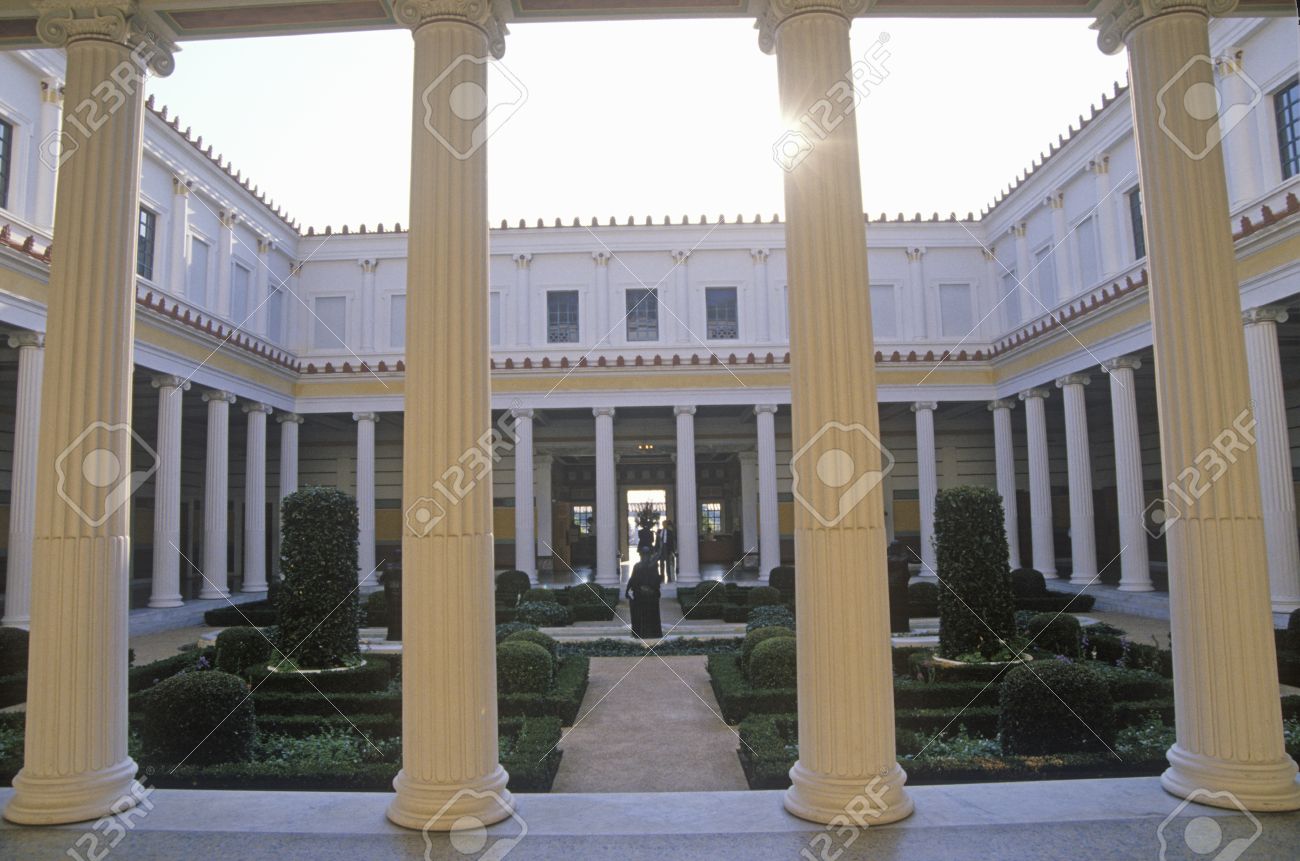
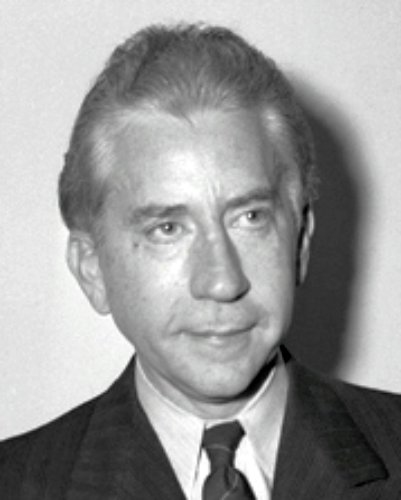
Jean Paul Getty KBE (December 15, 1892 – June 6, 1976) was an American industrialist.[2]He founded the Getty Oil Company, and in 1957 Fortune magazine named him the richest living American,[3] while the 1966 Guinness Book of Records named him as the world’s richest private citizen, worth an estimated $1.2 billion (approximately $8.8 billion in 2015).[4] At his death, he was worth more than $2 billion (approximately $8.3 billion in 2015).[5] A book published in 1996 ranked him as the 67th richest American who ever lived, based on his wealth as a percentage of the gross national product.[6]
Despite his wealth, Getty was known for being a notorious miser. He famously negotiated his grandson’s ransom.
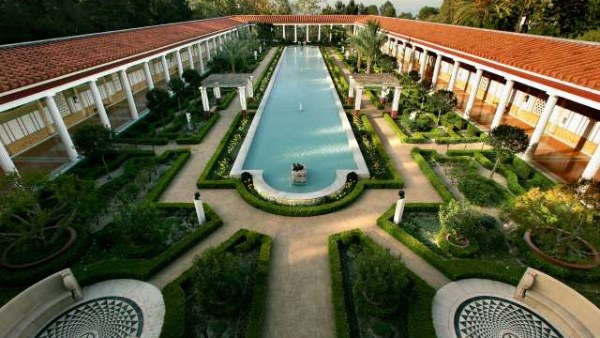
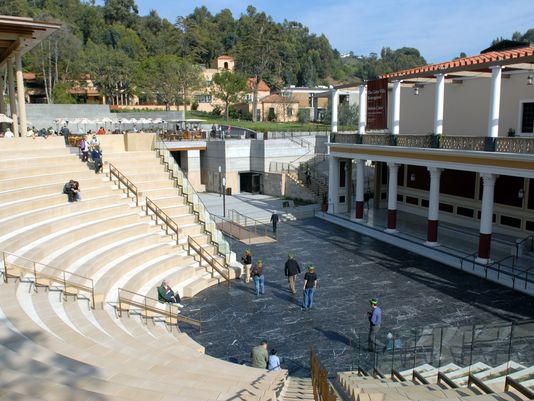
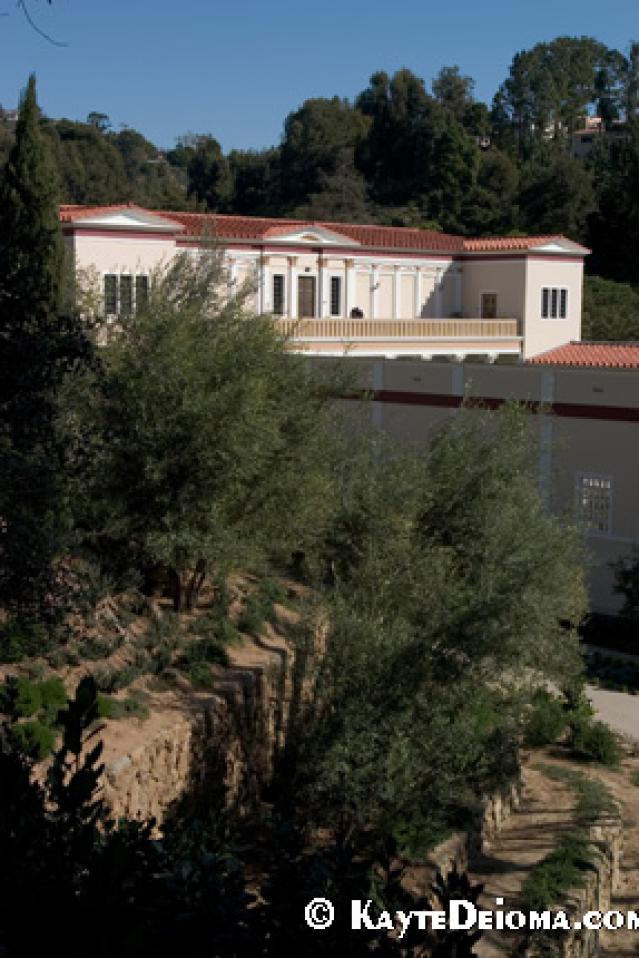
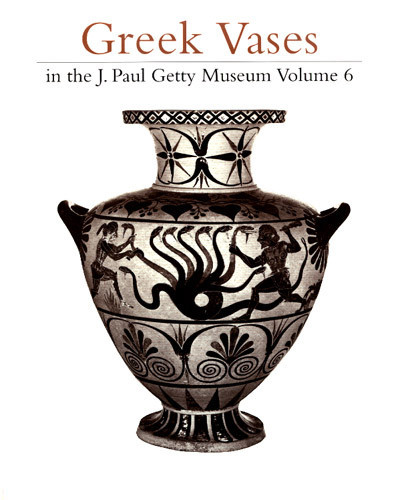
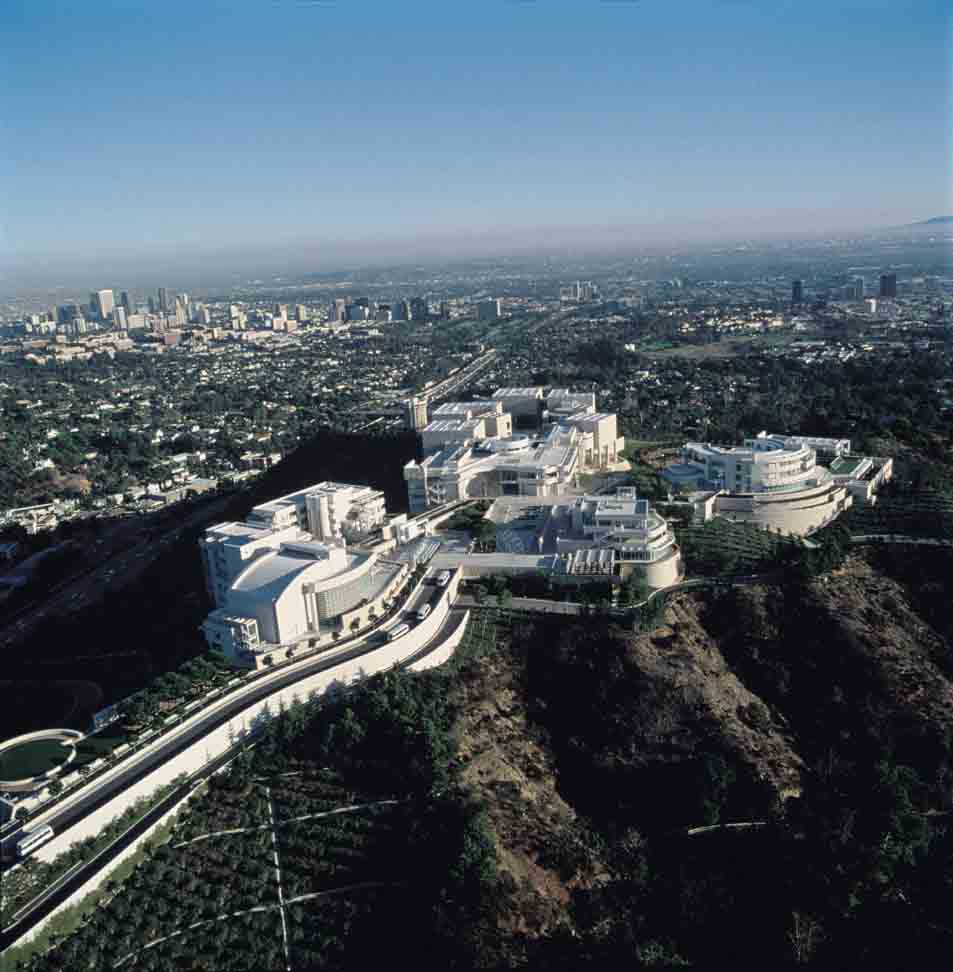
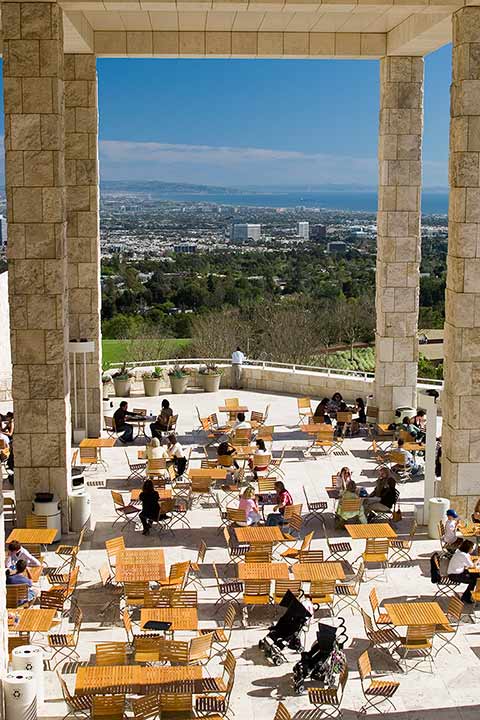
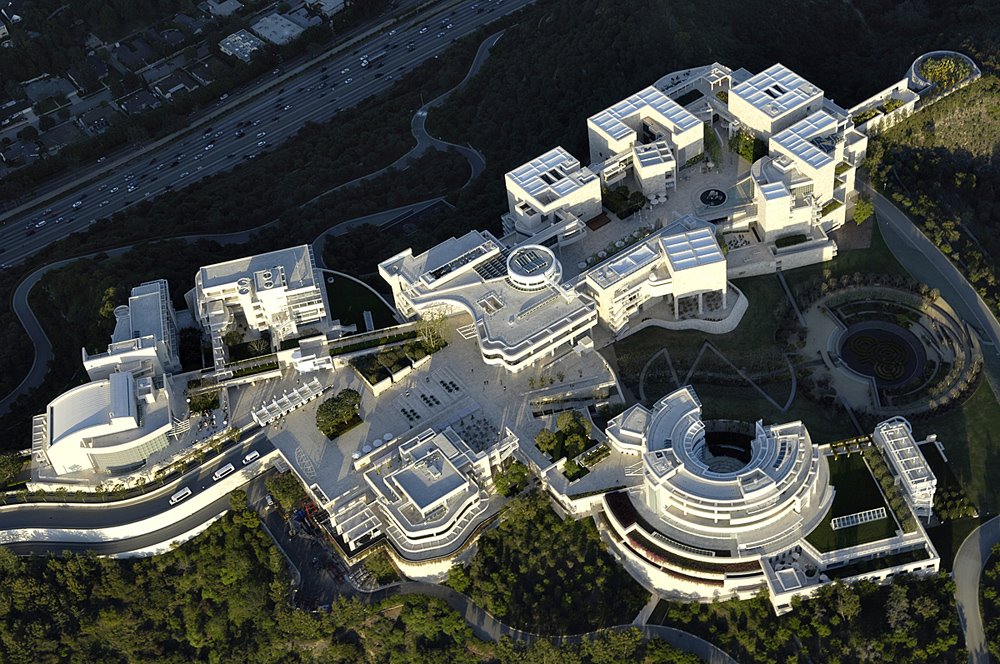
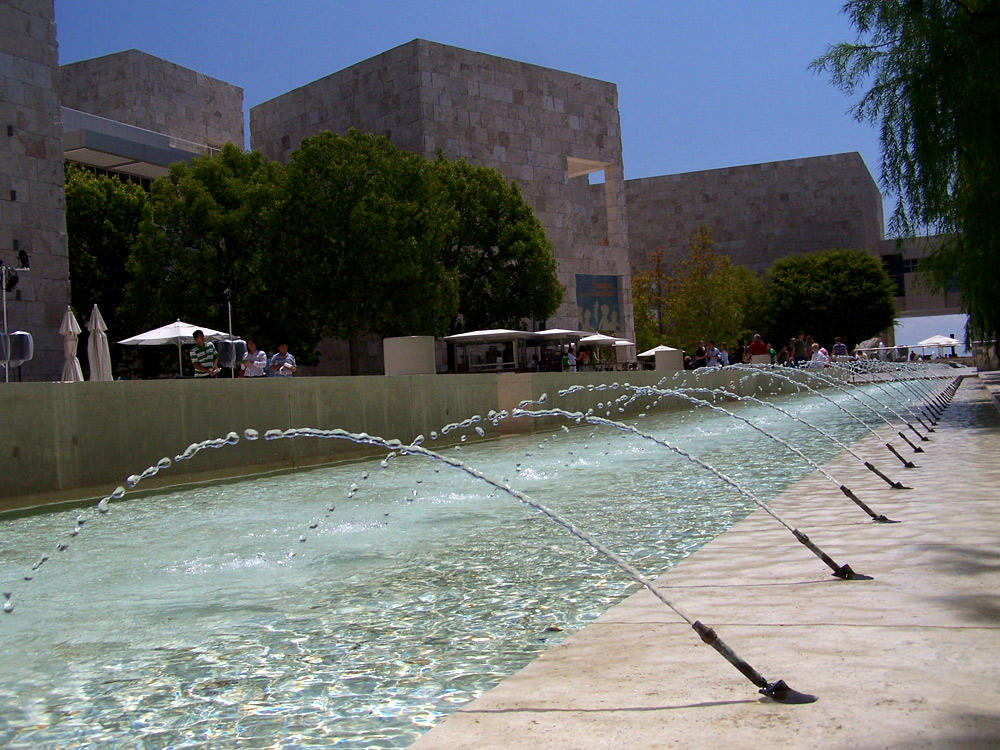
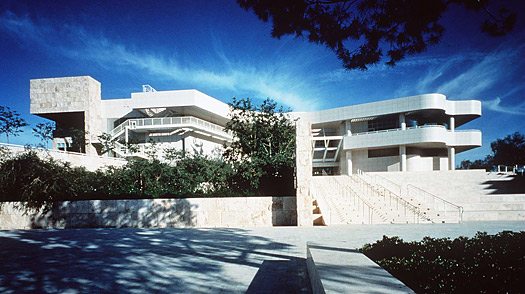
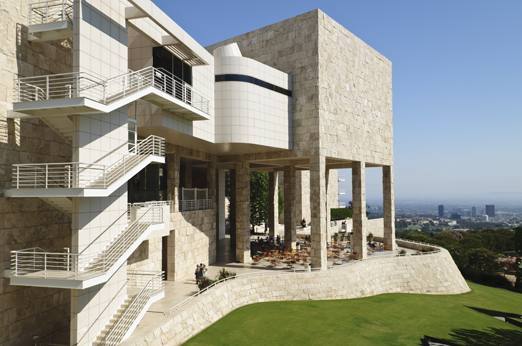
Getty was an avid collector of art and antiquities; his collection formed the basis of the J. Paul Getty Museum in Los Angeles, California, and over $661 million (approximately $2.7 billion in 2015) of his estate was left to the museum after his death.[5] He established the J. Paul Getty Trust in 1953. The trust is the world’s wealthiest art institution, and operates the J. Paul Getty Museum, the Getty Foundation, the Getty Research Institute, and the Getty Conservation Institute.