All posts by loaloa

The Arrogant

The Arrogant

For
you
are not
a God

who is
pleased with
wickedness;

with you,

evil people
are not
welcome.

The arrogant
cannot stand
in your presence.

You
hate all
who do
wrong;

you
destroy
those who
tell lies.

The bloodthirsty
and deceitful

you,
Lord,

detest.

Psalm 5: 4-6

주는
죄악을 기뻐하는
신이 아니시니

악이
주와 함께
머물지 못하며

오만한 자들이
주의 목전에 서지
못하리이다

주는
모든 행악자를
미워하시며

거짓말하는 자들을
멸망시키시리이다

여호와께서는
피 흘리기를
즐기는 자와

속이는 자를
싫어하시나이다

시편 5: 4-6

Holy BIBLE
New International Version (NIV)
성경/개역개정

***

LLCN
http://www.loaloachristiannetwork.com/

<Photo from app>

임을 위한 행진곡

임을 위한 행진곡

사랑도 명예도
이름도 남김없이

한 평생
나가자던 뜨거운
맹세

싸움은
용감했어도
깃발은 찢어져

세월은 흘러가도
구비치는
강물은
안다

벗이여
새 날이 올 때까지
흔들리지
말라

갈대마저 일어나
소리치는 끝없는
함성

일어나라

일어나라

소리치는
피맺힌 함성

앞서서
가나니

산 자여 따르라

산 자여 따르라

-백기완-
(원작자)

임을 위한 행진곡은
대한민국의 민중가요로,
5·18 광주 민주화 운동 중
희생된 윤상원과 노동운동가
박기순의 영혼결혼식을 위하여
1981년 작곡되었다.

가사의
원작자는 백기완,
작곡자는 김종률이다.

처음에는
〈님을 위한 행진곡〉으로
알려졌으나, 최근에는
표준어 규정에 따라 통상
〈임을 위한 행진곡〉
이라고 부른다.

좋은시詩 감사합니다
‪http://www.loaloachristiannetwork.com/‬
<Photo from app>


오월 그날의 기억

오월 그날의 기억

내 생에
지울 수 없는
오월의 그날

내 청춘의
어느 날

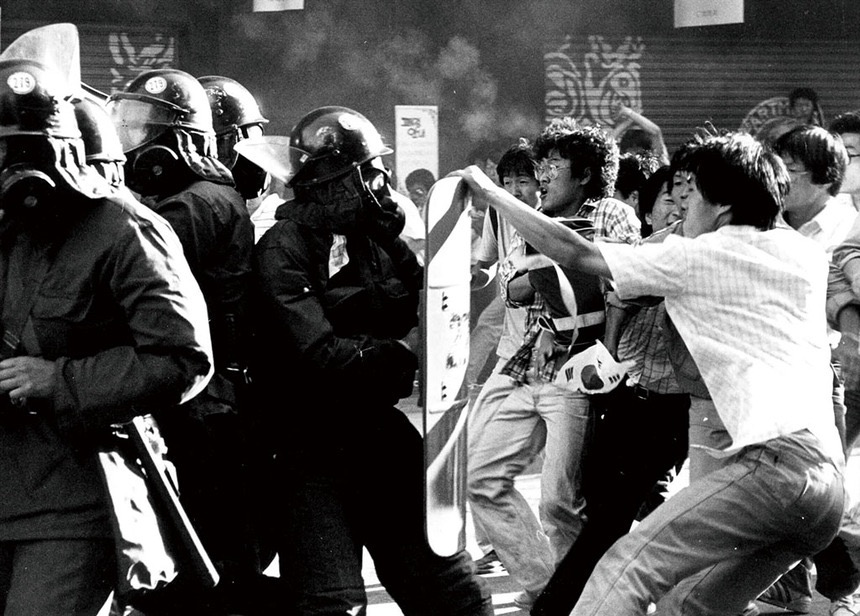
광주 충장로
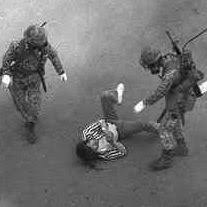
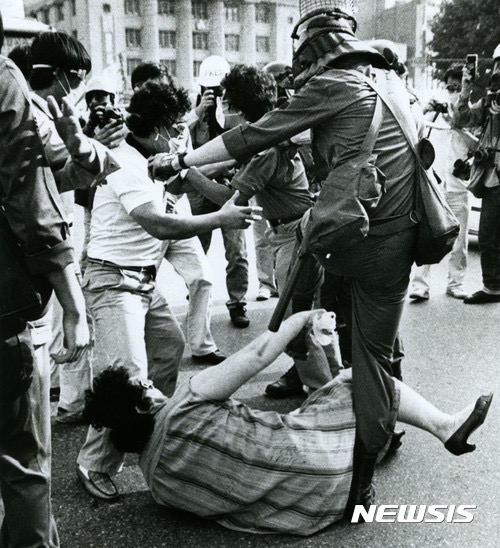
공수부대의 개머리판이
내 정수리에
내려치고

피에
뒤범벅이 된
내 얼굴

쓰러지고
끌려가다가
정신마저
잃어버린

금남로
도로 위에
시민들은 보이지 않고
동지들도
보이지
않고

공수부대들만
활개치고

피 흘려 쓰러저
죽어가는 시민들
아 그날의
절규여

떨리는
심장을 부여잡고
죽음의 그림자만
다가 오는
밤중

아침이 오기를
기도했던
그날

아직도
아물지 않는
내 정수리의
상처

지금도
들려오는
그날의 함성은
40년 전 그날로
나를 데려다
놓는다

-배 희 철-


좋은시詩 감사합니다
‪http://www.loaloachristiannetwork.com/‬
<Photo from app>


THE TRUTH WILL SET YOU FREE


THE TRUTH WILL SET YOU FREE

Then
you will
know the truth,

and
the truth will
set you
free.”

So
if the Son
sets you
free,

you
will be
free

indeed.

John 8: 32,36

진리를 알찌니

진리가
너희를
자유케 하리라

그러므로

아들이
너희를 자유케 하면
너희가 참으로
자유하리라

요 8: 32,36

Holy BIBLE
New International Version (NIV)
성경/개역개정

***

LLCN
http://www.loaloachristiannetwork.com/

<Photo from app>

Humanism, 서양의 인문학


Humanism

Many wanted to recognise human values,
but without depending on dogmatic religion
as the main source of values.

Views held by many humanists include:

1. Humans deserve respect.

2. Every human should be treated with respect

3. And allowed to have dignity.

4. If all people act with respect for others,
then people will live in peace and trust.

5. People should all be able to decide
how they want to live their lives.

6. They should use reasoning
to make decisions and solve problems.

7. Humanists decide what choices are
good by whether those choices will
help make human life better and
the world around them.

서양의  인문학

많은 사람들은 인간의 존엄성을
인식하기 원한다. 하지만 종교에
의지한 가치에 중점을 두지 않는다.

많은 휴머니스트 들의 견해는
다음과 같은 사항을 포함한다

1. 모든 인간은 존중받을 자격이 있다

2. 모든 사람들은 존중함으로 대하여야 한다.

3. 그리고 존엄성을 가질 수 있도록 허용해야 한다

4. 모든 사람들이 서로를 존중하며
행동한다면 사람들은 평화와 신뢰속에서
살게 될것이다.

5. 사람들은 자기가 어떻게 자신이 원하는 삶을
살아가느냐의 여부를 스스로 결정할 수 있어야 한다.

6. 그들은 스스로 추론해서
결정하고 문제를 해결해야 한다.

7. 인문주의자(人文主義)*들은
무엇을 선택해야 함에있어 이 선택이
인간의 삶과 주위의 세상을 더 좋고
나은 세상으로 만들수 있는가를
고려하여 선택을 결정한다.


*인문-주의, 人文主義:
르네상스기에 이탈리아에서 발생하여
널리 유럽에 퍼진 정신 운동으로서

중세 가톨릭교회의 도그마틱(Dogmatic)한
권위와 정신적 속박에서 벗어나 인간성의
존중과 문화적 교양의 발전에 노력했음.
인본주의. 휴머니즘.

 서양의 인문학  Course

Humanism 은 인문학으로 서양의 대학 과정중에
첫 2년의 과정중에 필수로 들어야 하는 과목들로서
Humanism classes 혹은 course 라고 하는데
그 과목들은 역사, 경제, 정치과학, Art Appreciation,
Music Appreciation, Film, 심리학 등,
인문과목들을 이수해야 하는 과정으로 불리운다.

Humanism의 모든 과목에서 배우는
중추적 핵심은 ‘나’자신은 존중받아야
할 법적 권리를 가지고 있고 그와같이
내 이웃도 동등하게 존중해야 한다는 것과
공평과 평등의 권리를 배우는 과정이다.

또 한가지 중요한 것은
모든 지구촌의 사람들은 히틀러같은
독재자가 일어나서 이웃의 한 사람을,
한 민족을, 한 인종을 미워하며 멸종시키려는
괴물이 일어나는 가를 살펴야 한다는 것이다.

특히 문학, 예술은 이 휴머니즘에
단단한 기초를 두어야 한다.
노벨문학상 자체도 결국 이 휴머니즘에
아주 중심적인 철학을 기초로 둔다.

서양의 인문학은
인간의 끝도없이 악하게 타락한 내면을
정당화하는 학과목이 아니다.

-Culture & Opinion-


*참고

Humanism
philosophical school of thought
emphasizing the value of human beings
and focusing on rationalism and empiricism

Humanism is a philosophy or
a way of thinking about the world.

Humanism is a set of ethics or ideas
about how people should live and act.

People who hold this set
of ethics are called humanists.

Humanists prefer critical thinking
and evidence (rationalism and empiricism)
over acceptance of dogma or superstition.

In modern times, humanism is
close to secularism. It refers to
a non-theistic approach to life,
looking to science instead of
religious dogma in order to
understand the world.

The term was made widely known by
scientists in the mid-20th century.

Many wanted to recognise human values,
but without depending on religion
as the main source of values.

Views held by many humanists include:

Humans deserve respect.
Every human should be treated with respect
and allowed to have dignity.
If all people act with respect for others,
then people will live in peace and trust.
People should all be able to decide
how they want to live their lives.
They should use reasoning
to make decisions and solve problems.

Humanists decide what choices are
good by whether those choices will help
make human life better and
the world around them.

History

The writings of the ancient Greeks were studied in the 1400s during the Renaissance when Roman Catholic was extremely corrupted, However, in this period the term “humanism” came to mean educated in the humanities, a rather different kind of idea. Petrarch is often cited as the first modern humanist, but he pointed backwards to classical authors.

The modern meaning of humanism is
more to do with using science to make
the world a better place.

A comment by the English mathematician and philosopher Alfred North Whitehead in 1925 was “The prophecy of Francis Bacon has now been fulfilled; and man, who at times dreamt of himself as a little lower than the angels, has submitted to become the servant and the minister of nature. It still remains to be seen whether the same actor can play both parts”.


References

• Nicolas Walter, Nicolas 1997. Humanism – What’s in the Word. London: Rationalist Press Association. ISBN 0-301-97001-7
•Norman, Richard 2004. On humanism: thinking in action. London: Routledge.
•See for example the British Humanist Association’s definition of Humanism
•Biology and humanism, Chapter 10 of Dromnamraju, Krishna R. 1993. If I am to be remembered: the life and work of Julian Huxley with selected correspondence. Singapore: World Scientific.
•Whitehead A.N. 1997. Science and the modern world New York: Simon and Schuster, 96.


Translation Provide by LLCN
http://www.loaloachristiannetwork.com/
<Photo & Info from app>

 

TO SAVE THE WORLD

TO SAVE THE WORLD

For
God
so loved
the world

that
he gave his
one and only
Son,

that
whoever
believes in
him

shall
not
perish

but
have eternal
life.

For

God
did not
send his Son into
the world to condemn
the world,

but
to save
the world

through
him.

John 3: 16-17

하나님이
세상을 이처럼
사랑하사

독생자를
주셨으니

이는

저를
믿는자마다
멸망치
않고

영생을
얻게 하려
하심이니라

하나님이


아들을
세상에 보내신
것은

세상을
심판하려
하심이 아니요

저로 말미암아

세상이
구원을
받게하려
하심이라

요한복음 3:16-17

***

BIBLE/New International Version (NIV)
성경/개역개정

<Photo from app>
LLCN

http://www.loaloachristiannetwork.com/

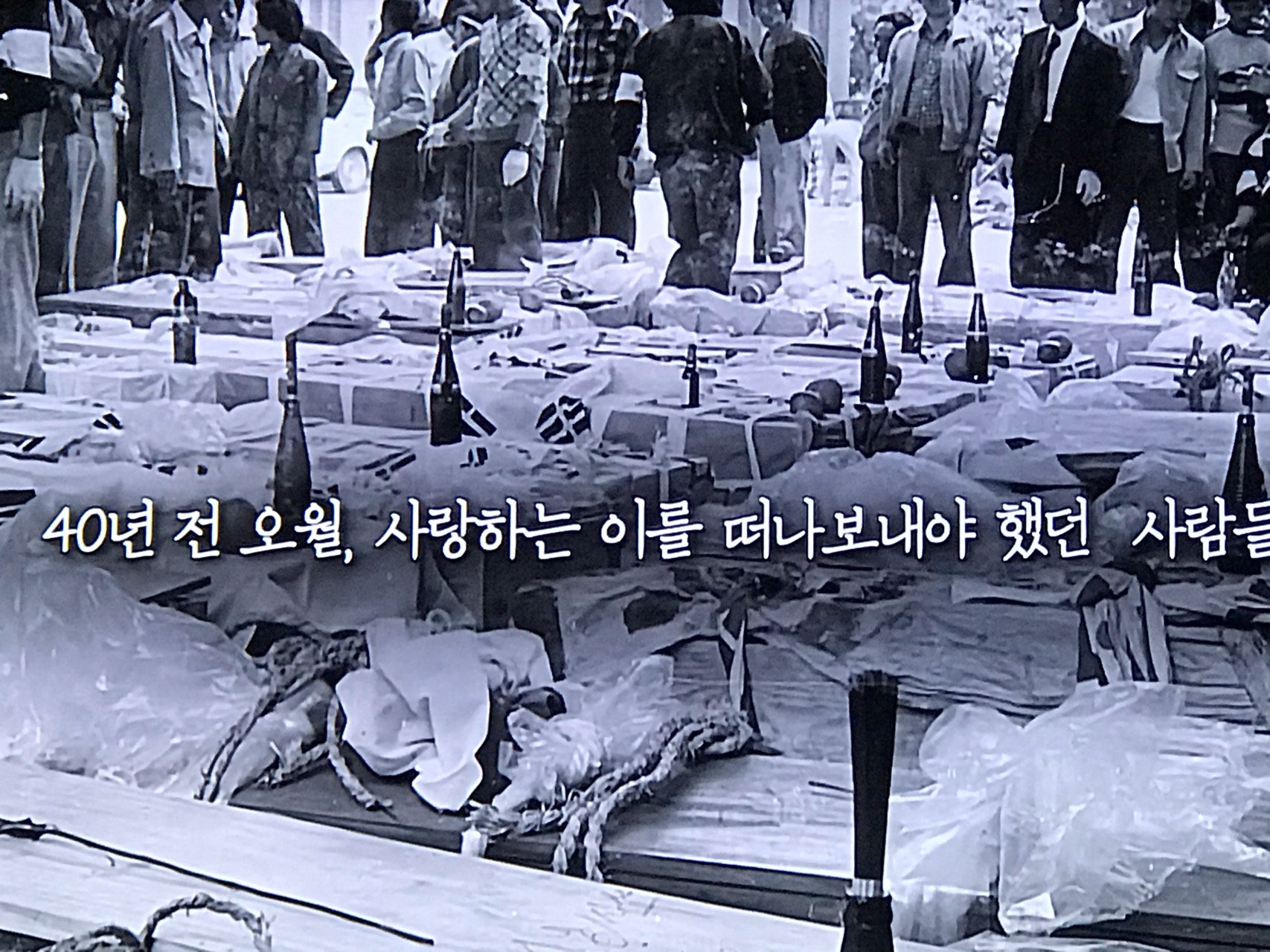
망월동에 내리는 오월의 비

망월동에 내리는 오월의 비

이팝꽃이 흐드러진
망월동에 비가 내립니다
40년전 그날도 이팝은 꽃을 피워
님의 꽃상여가 되어 주었습니다

이팝꽃 송이송이에 알알이 맺힌 빗방울
모진 세월 떠날 수 없는 님의 영혼처럼
다하지 못한 그날의 진실을
매단 듯 합니다

청춘의 젊음으로 부르짓던 민주의 노래
옳바른 민주주의 꽃피우기위한 님들의 함성
님떠난 불혹에도 그 진실은 왜곡되어
슬픈 넋은 오늘도 오월의 비가되어 울고 웁니다

님들겯 찾을 날 머지 않은 어미는
파뿌리 휘날리며 망월동을 오릅니다
굽은 등에는 젊은 날의 님의 초상화가
아직도 얹혀 있고
죽기전 자식 죽음의 진실을
하늘에 묻습니다

마음의 한으로
겨레의 가슴에 묻힌 님들이여
고맙습니다
감사합니다
이팝꽃처럼 사라진 님들의 영혼앞에
마월동 오월의 비는 눈물로 기도합니다

부디, 편히 영면하소서.


-도연/ 김주화-


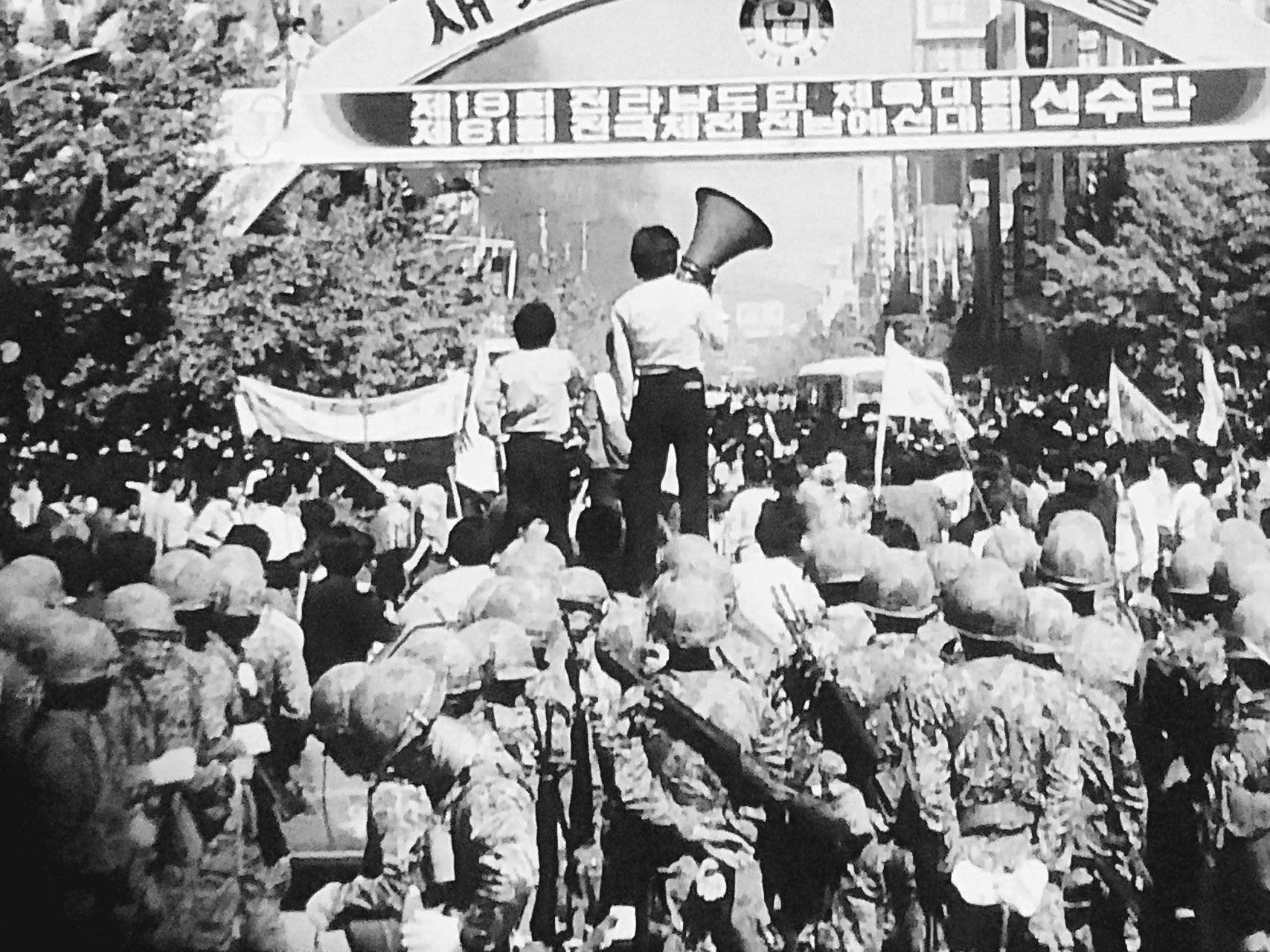
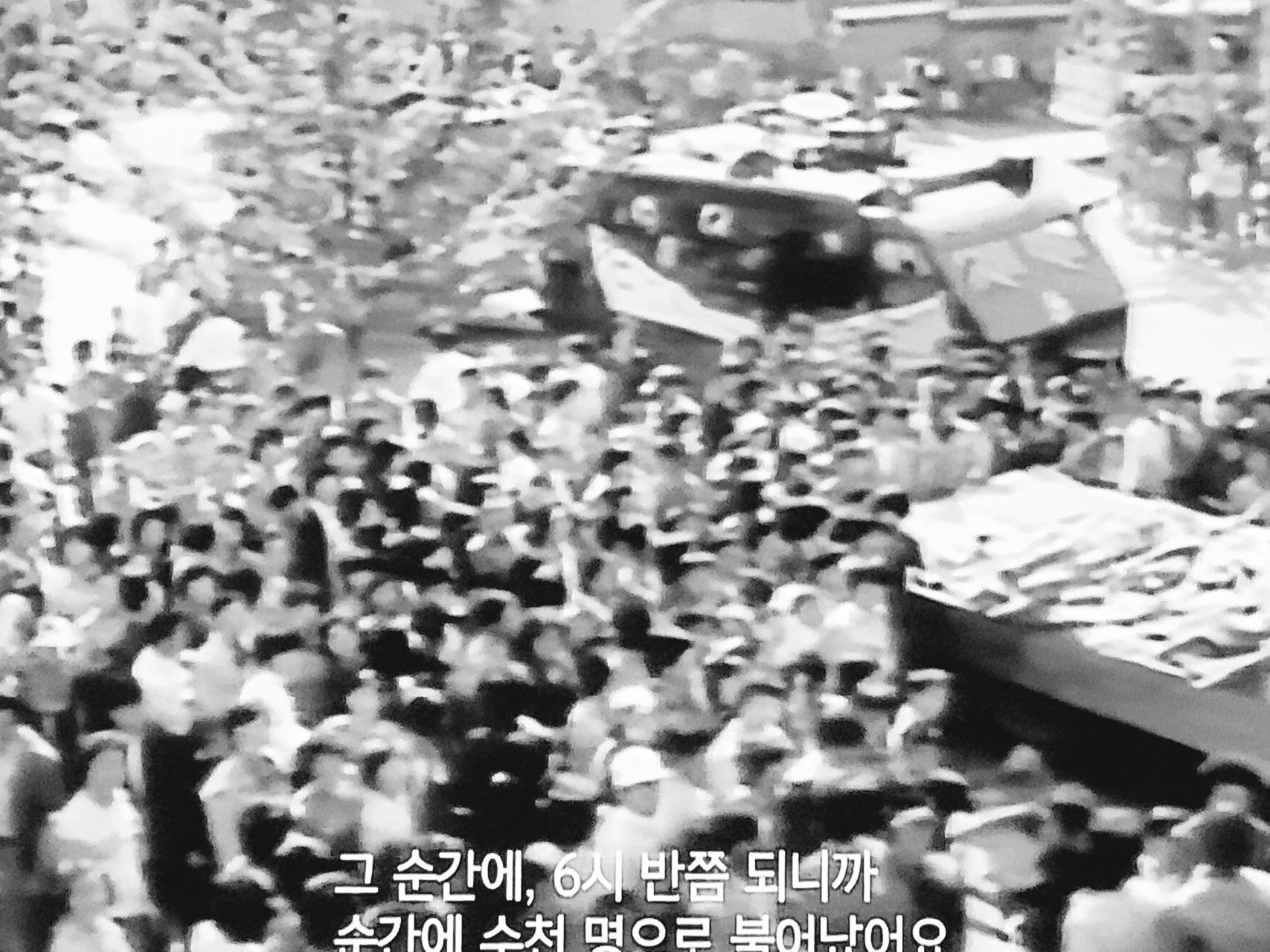
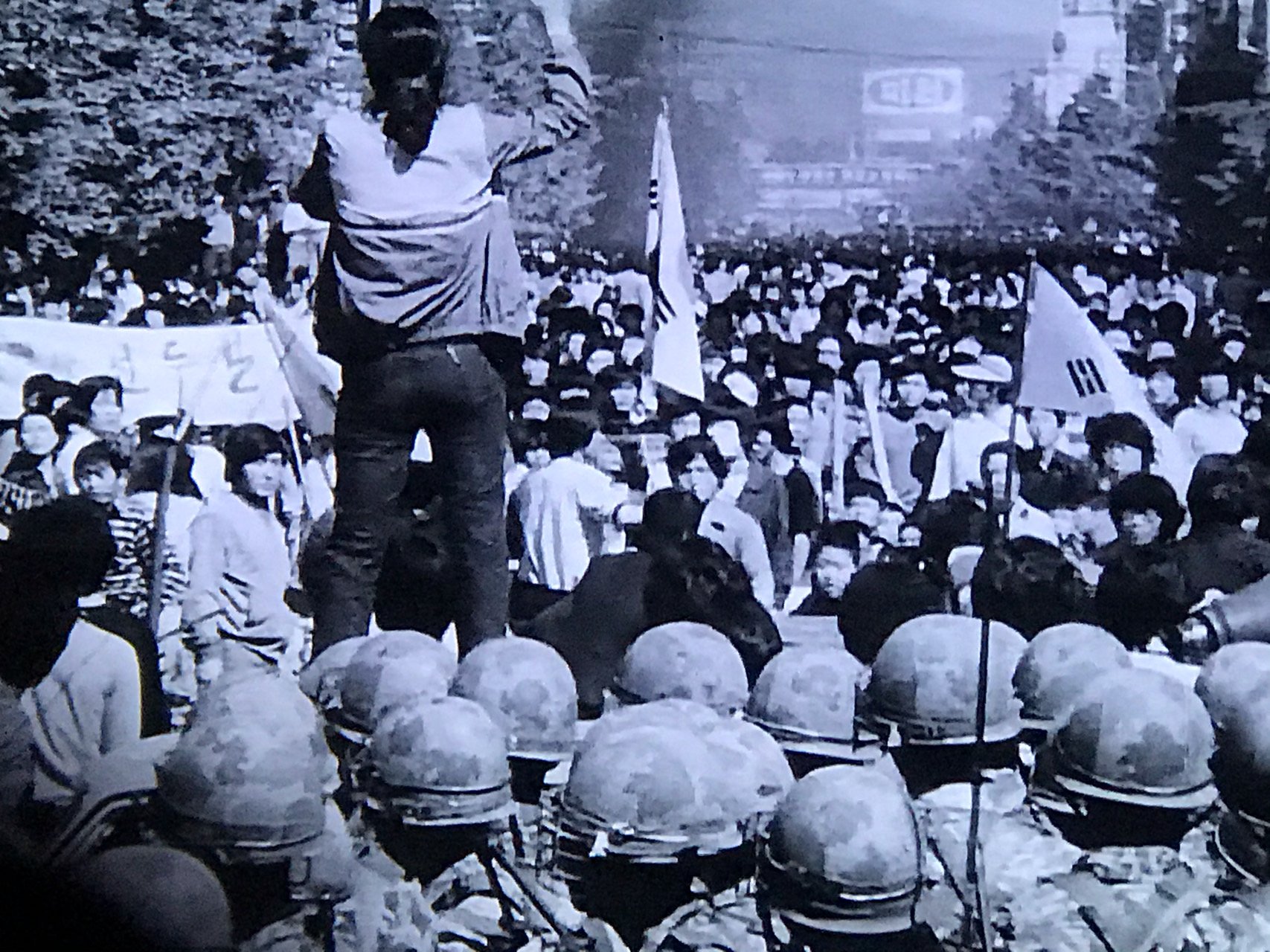
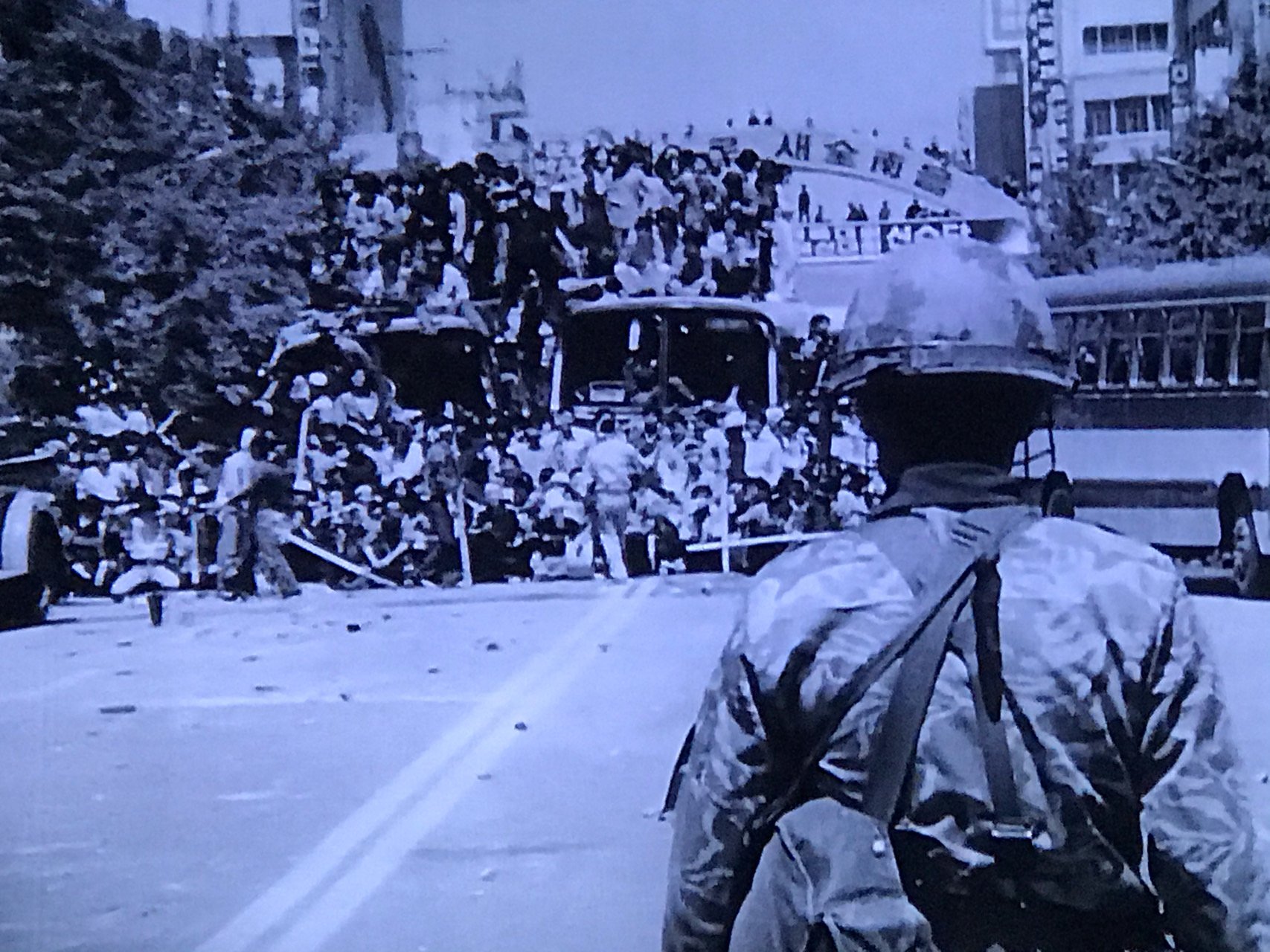
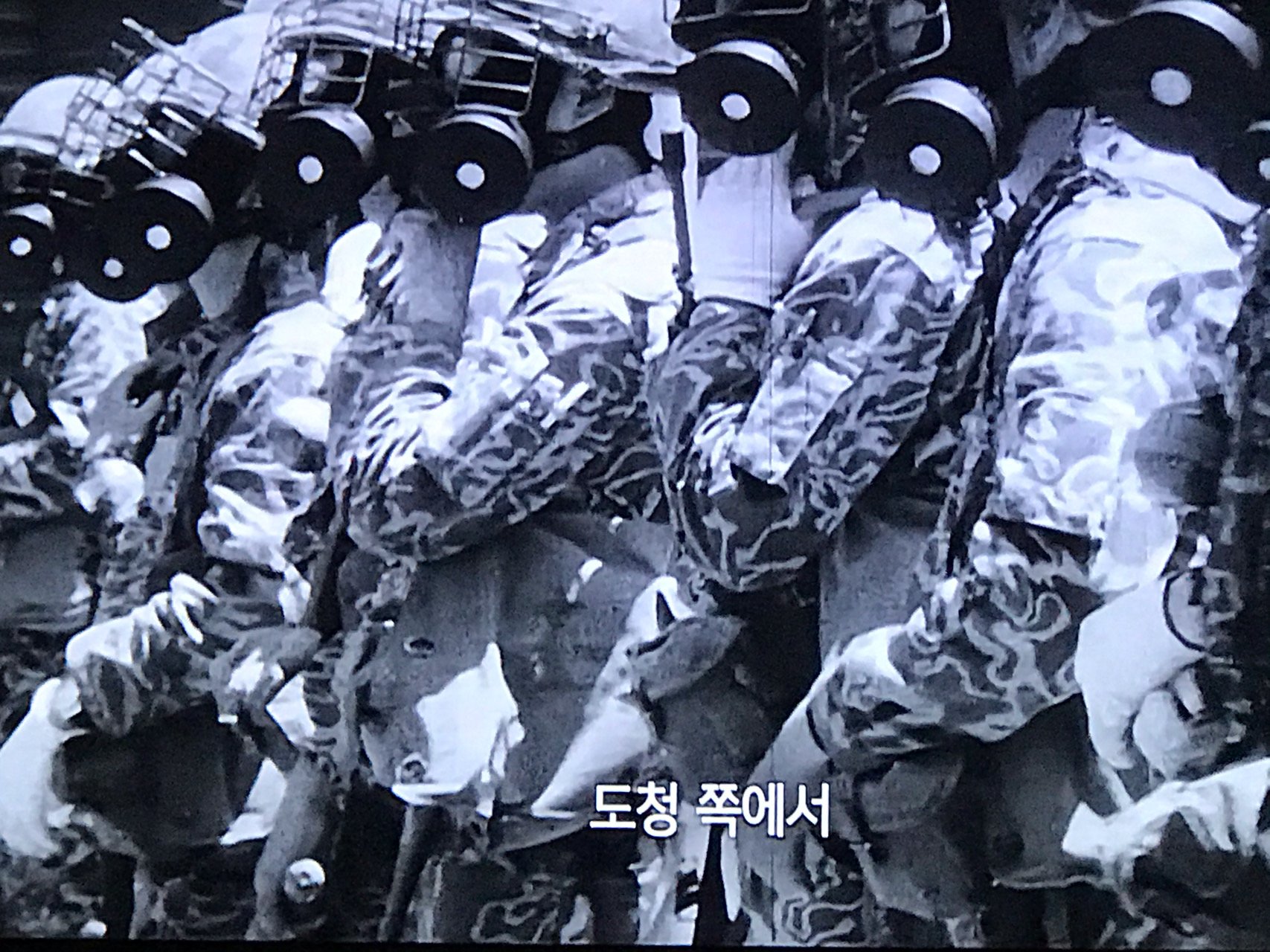
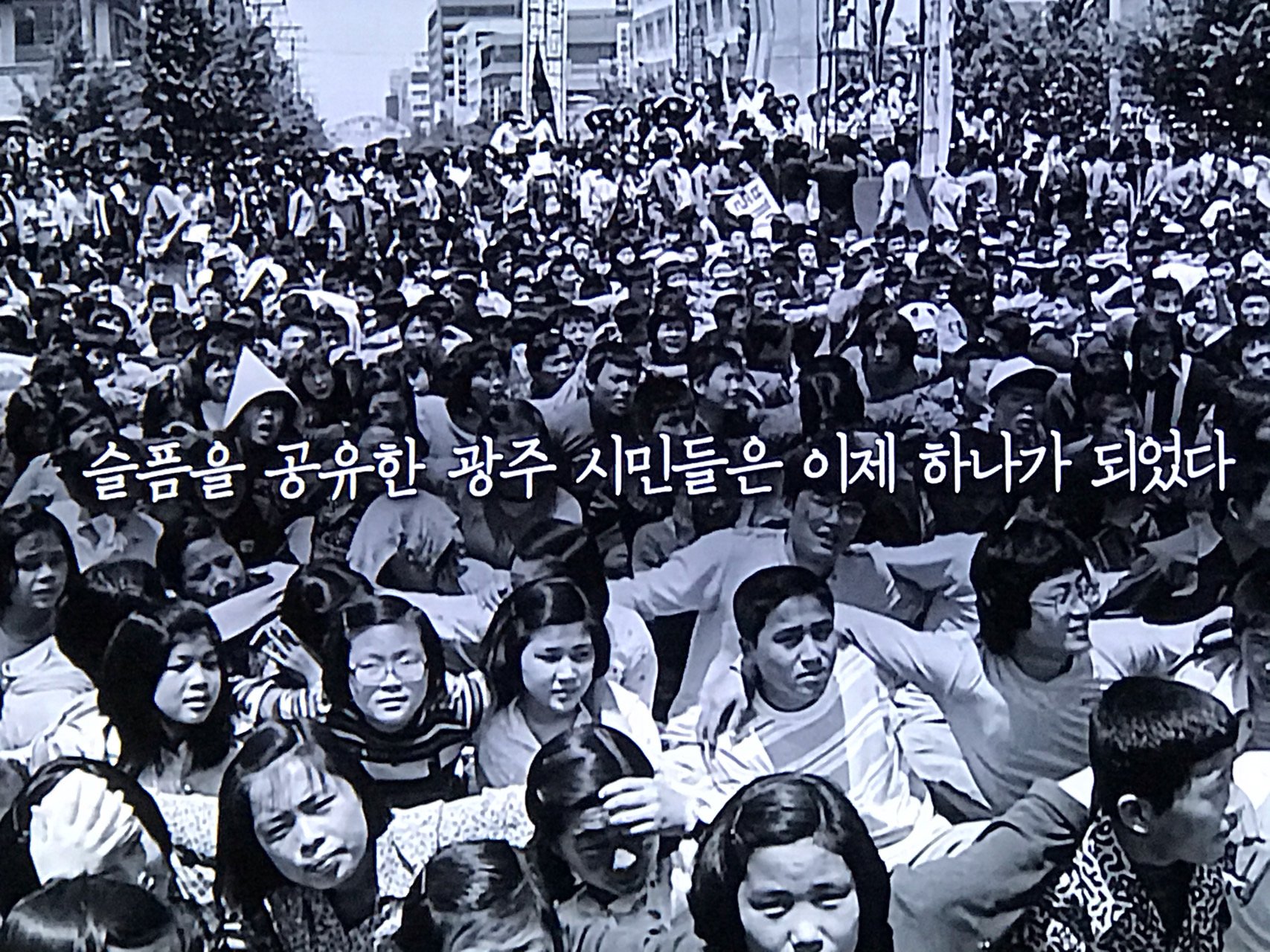
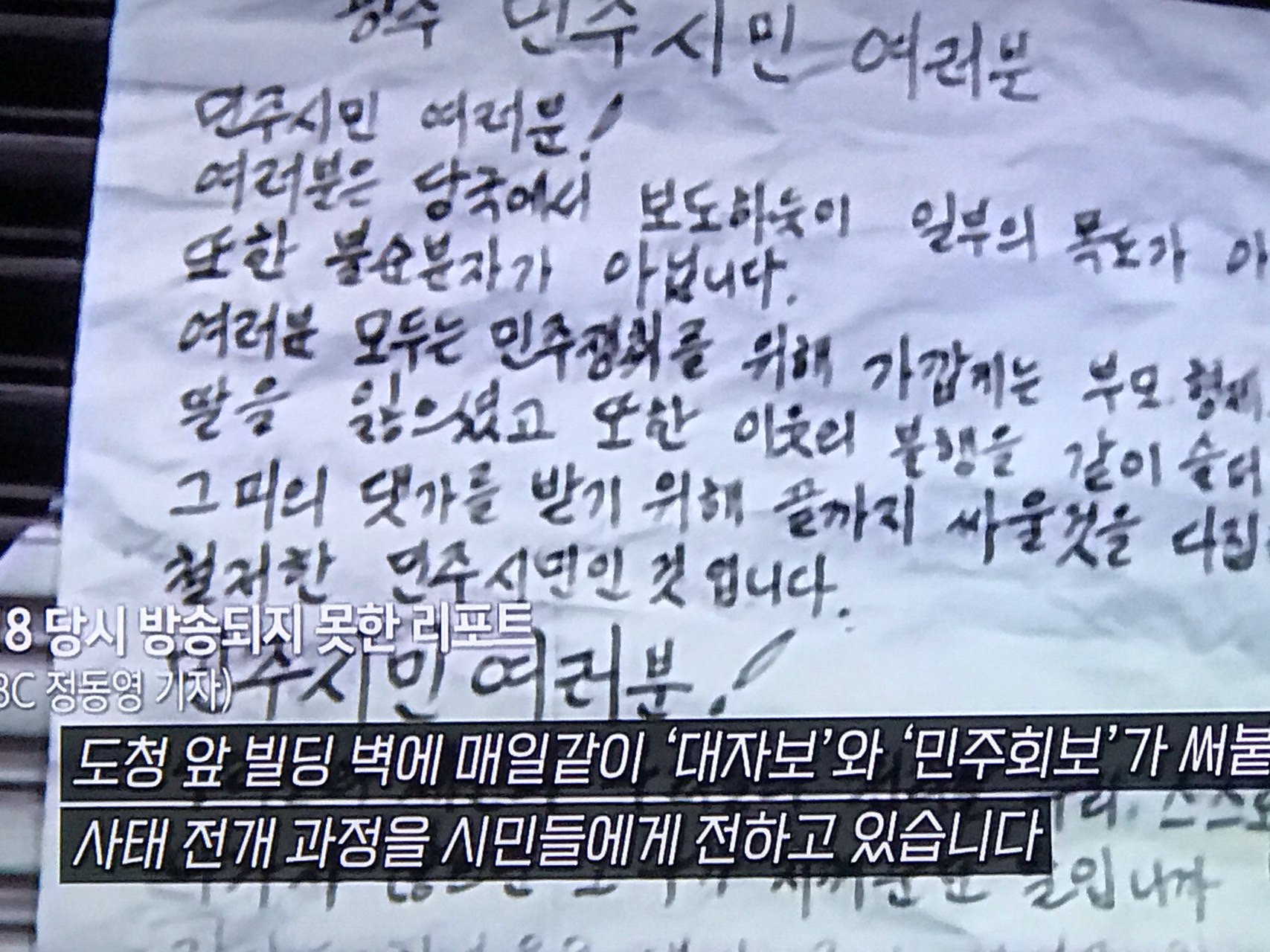
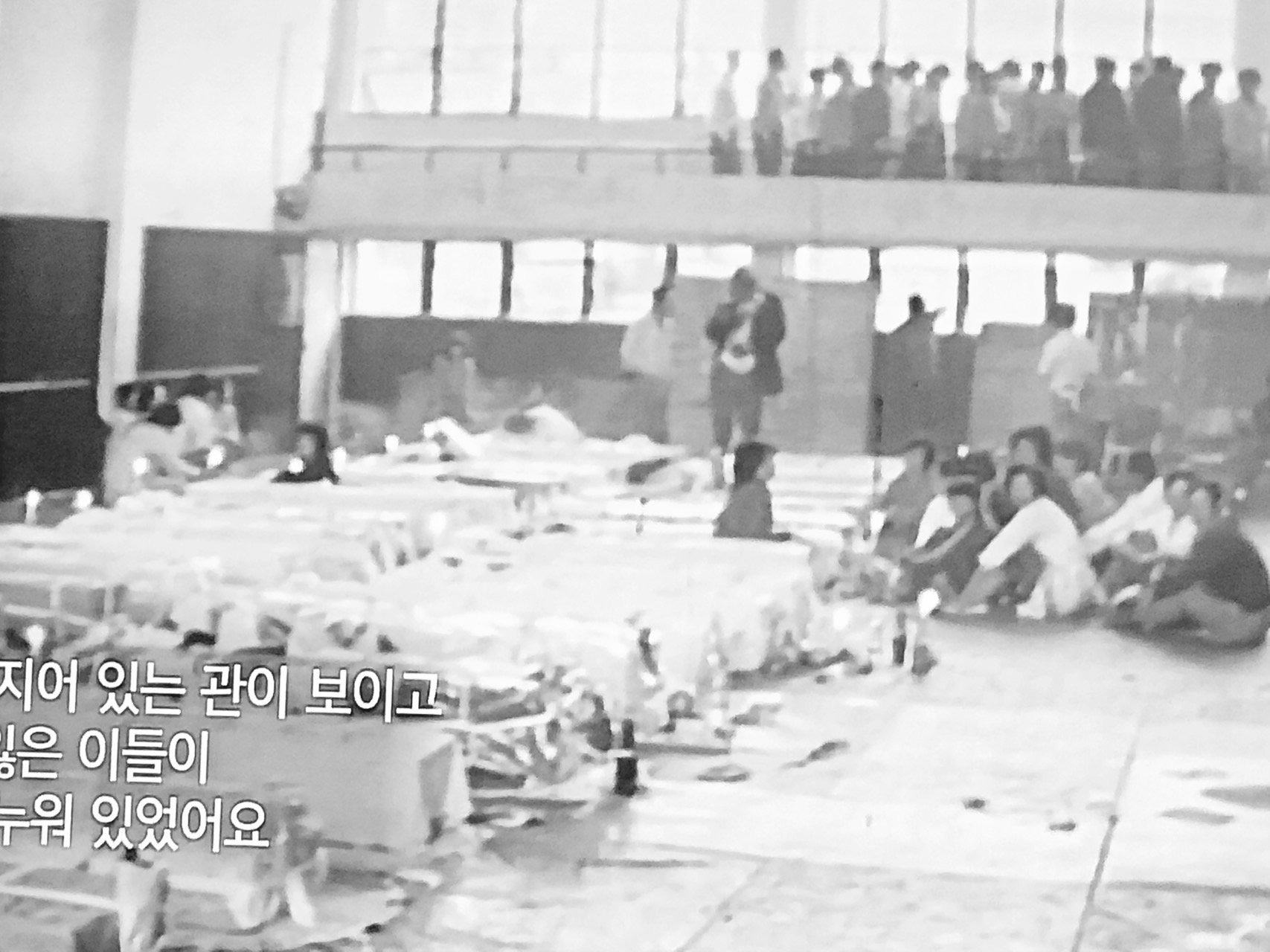
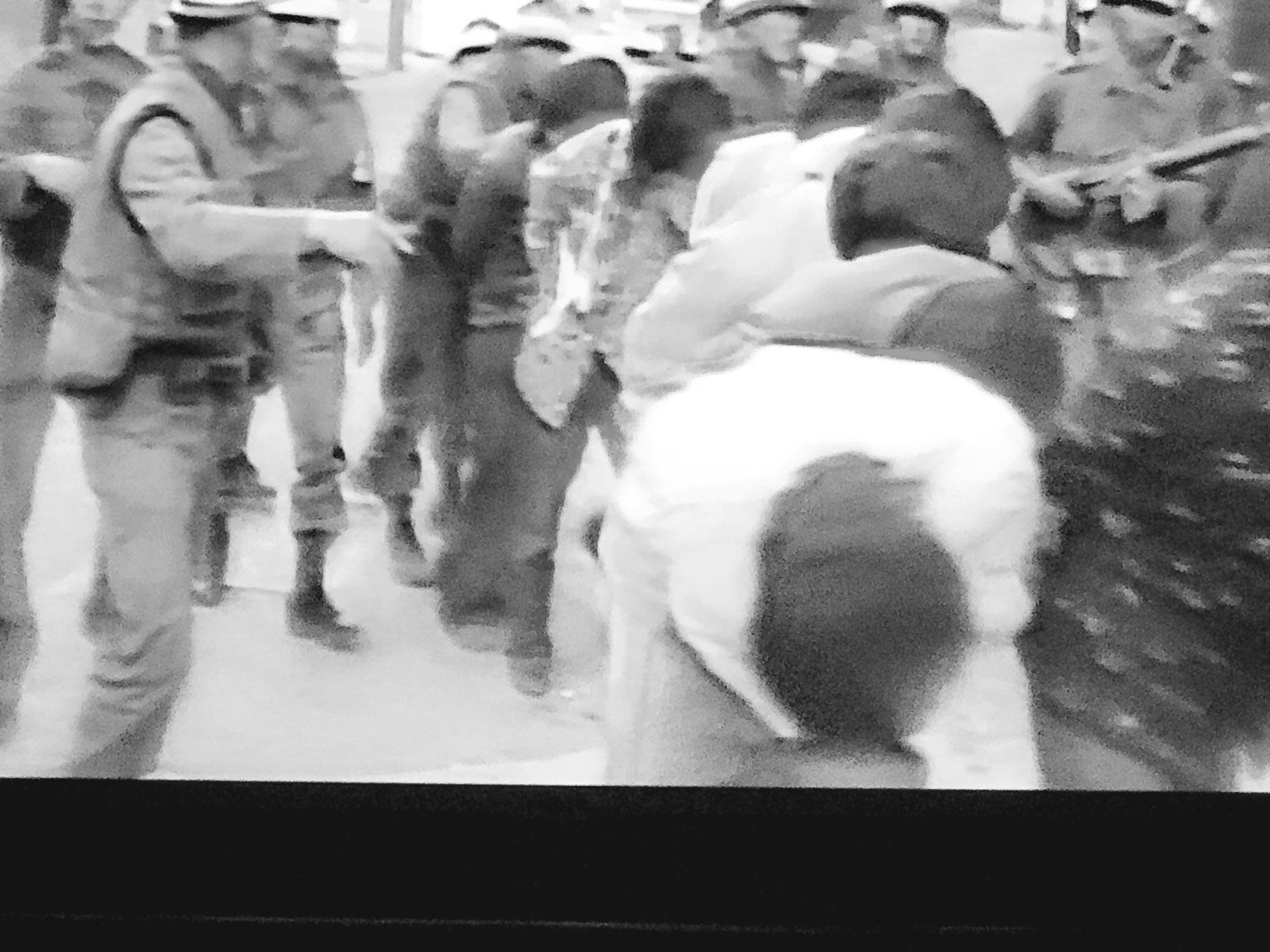
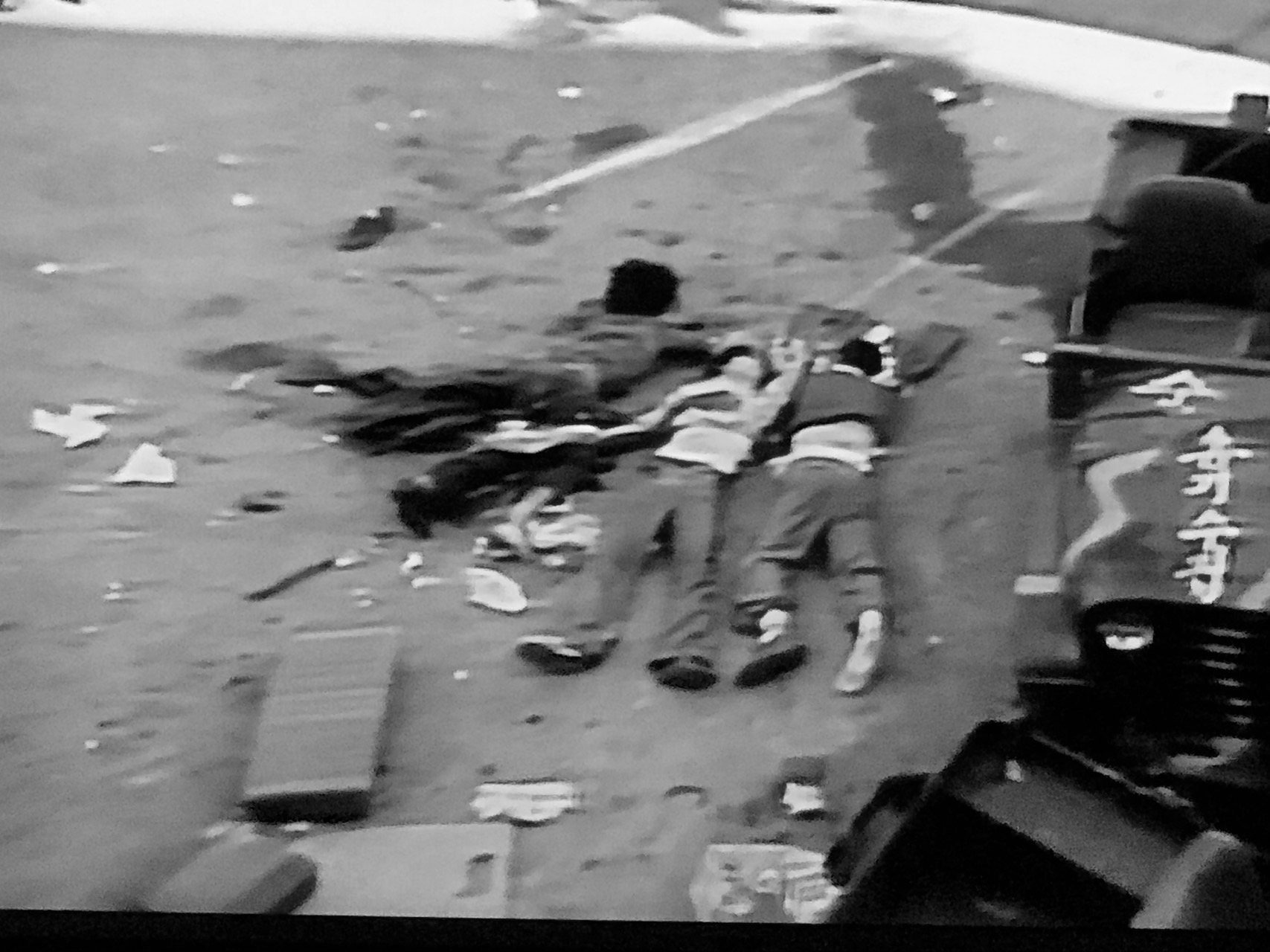
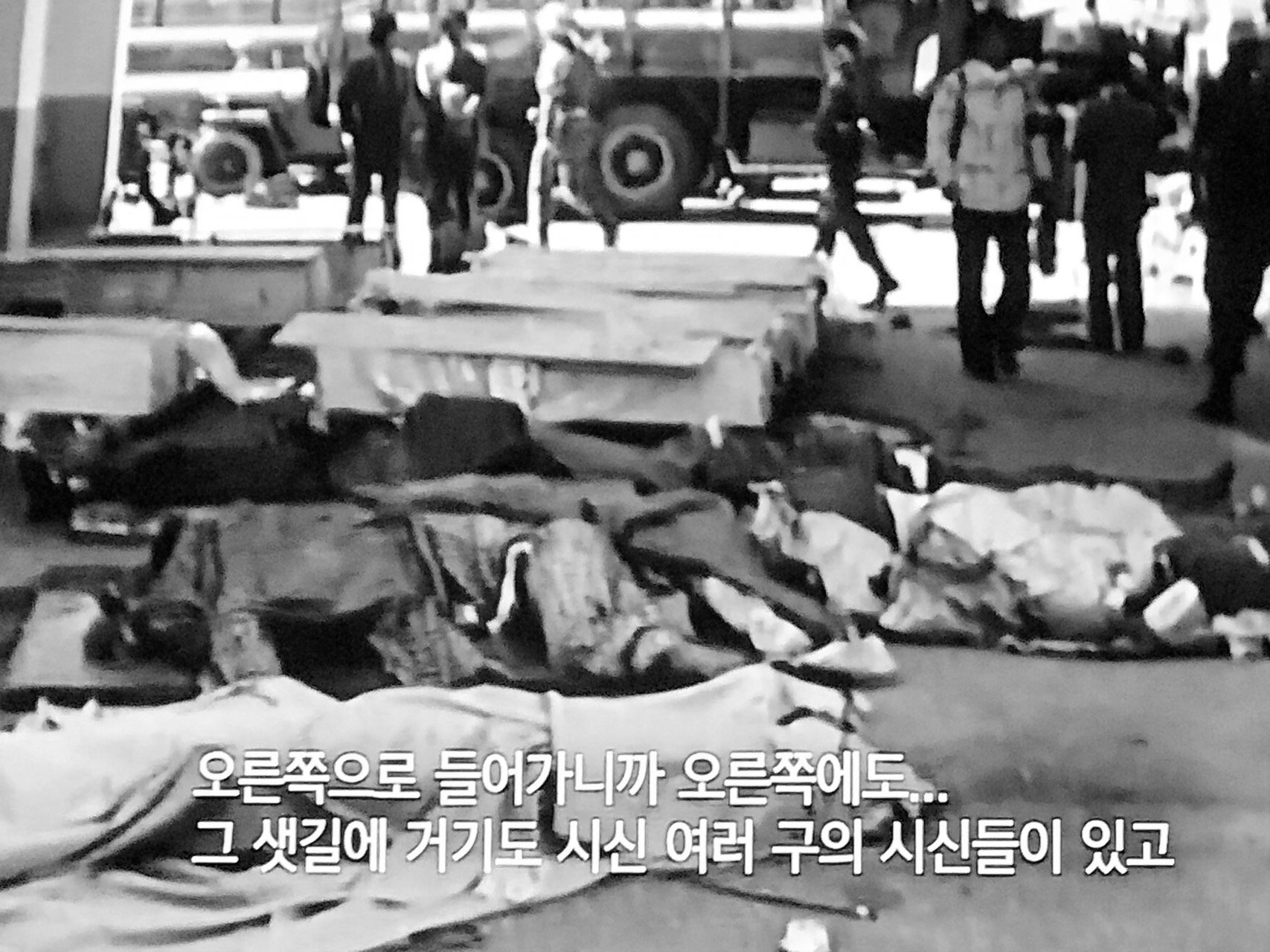
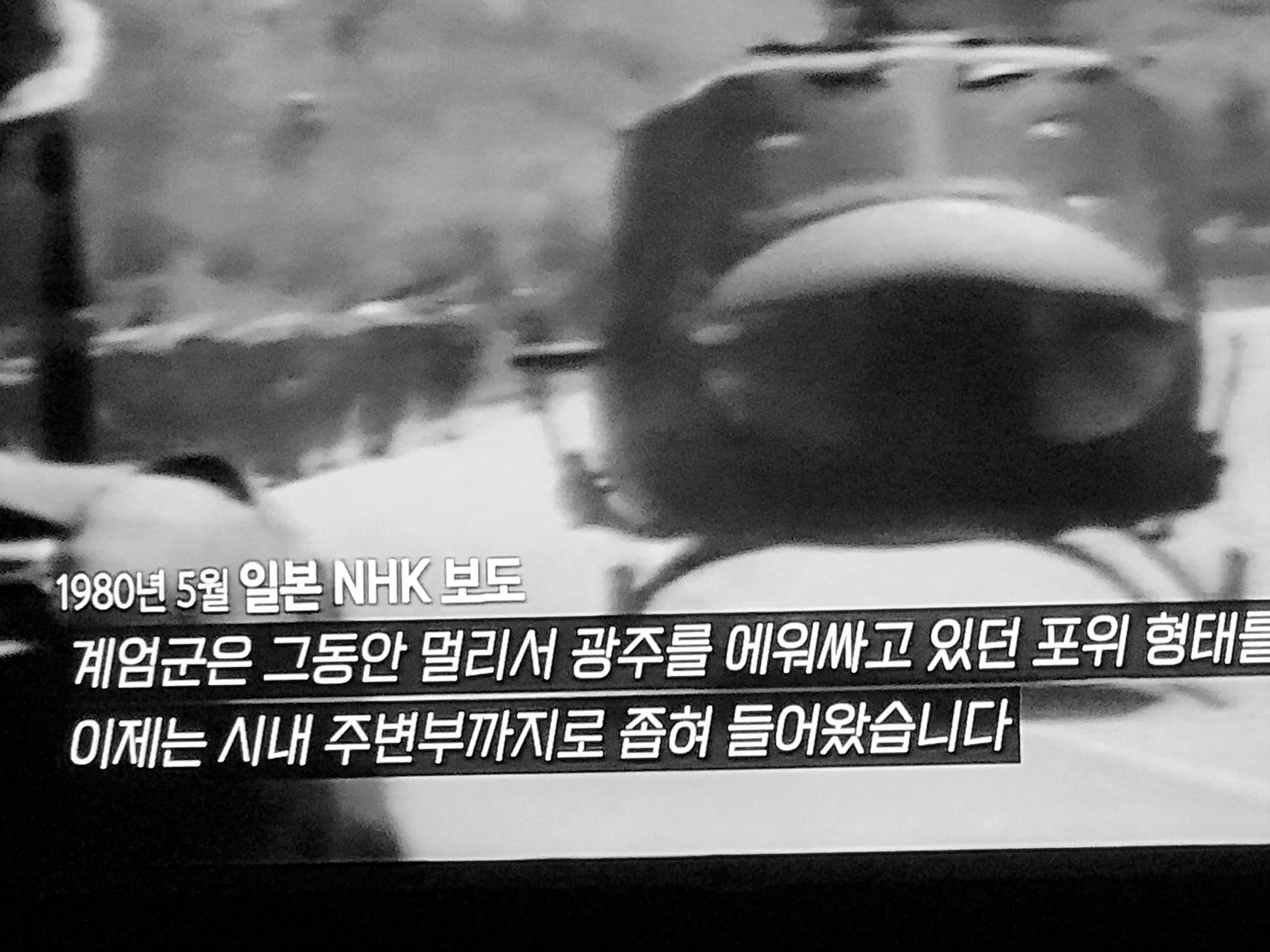
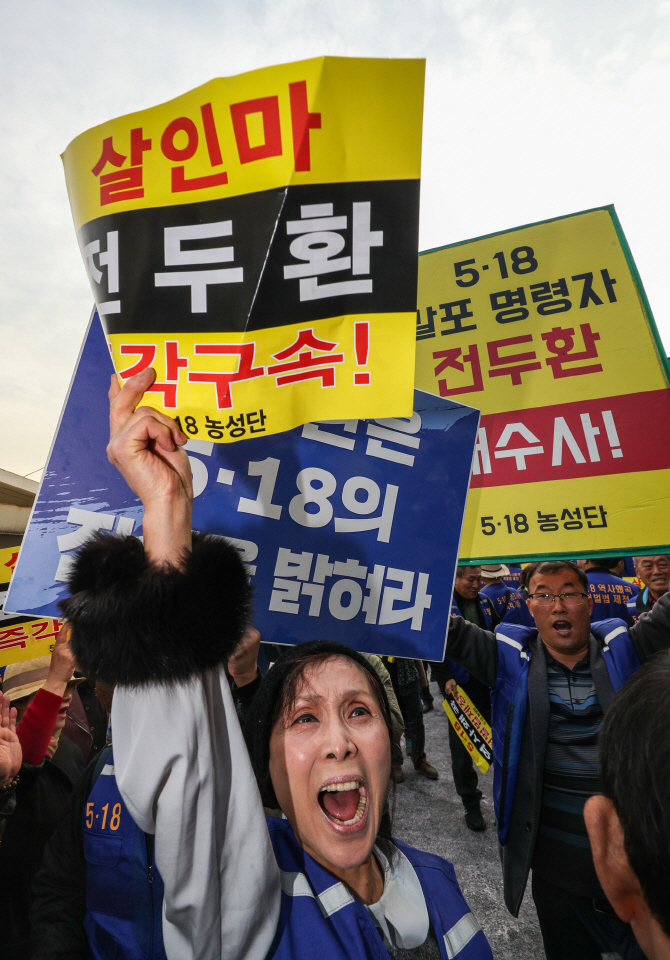
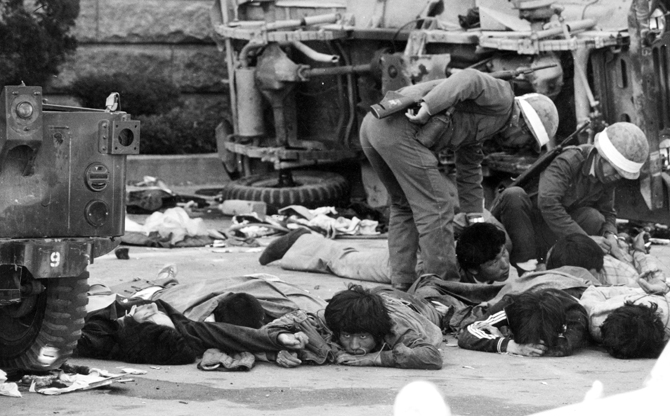
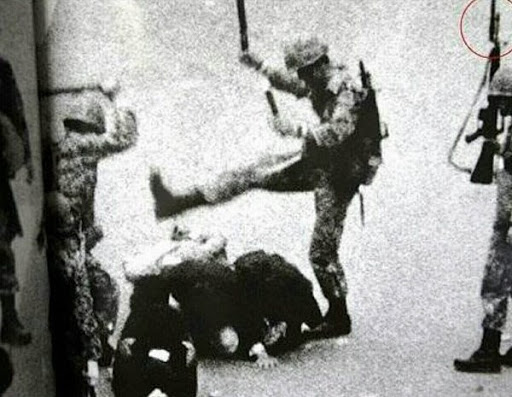
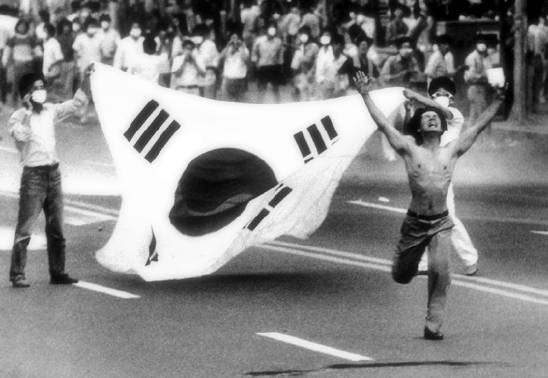
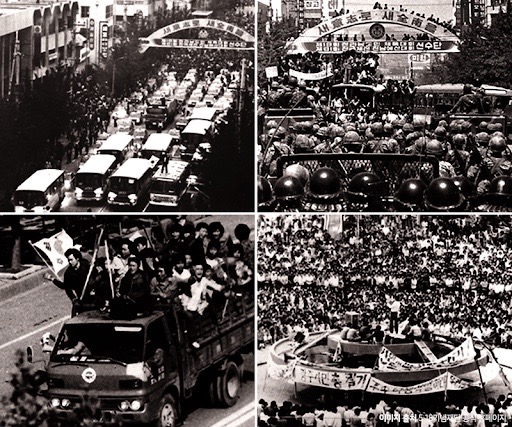
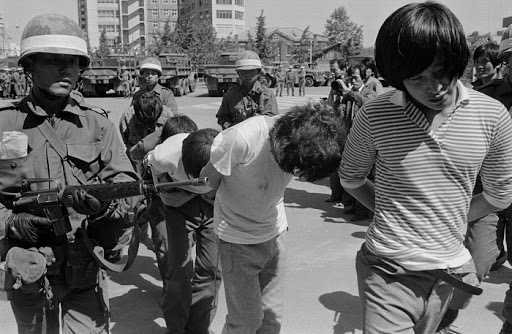
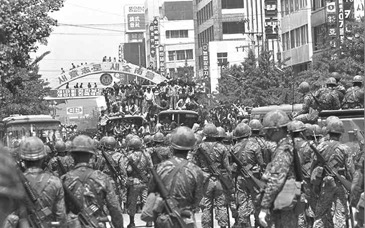
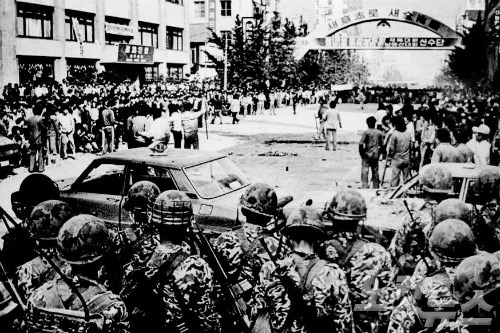
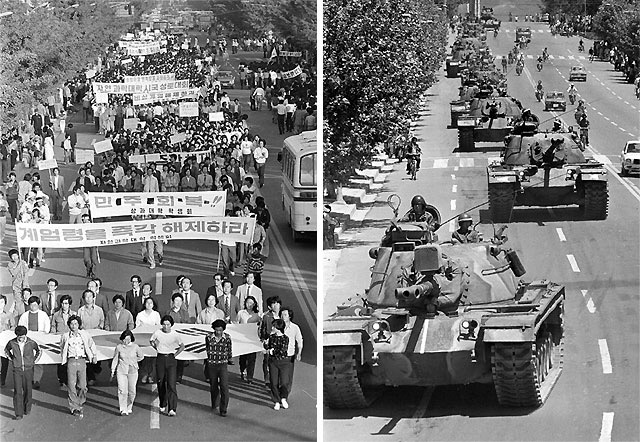
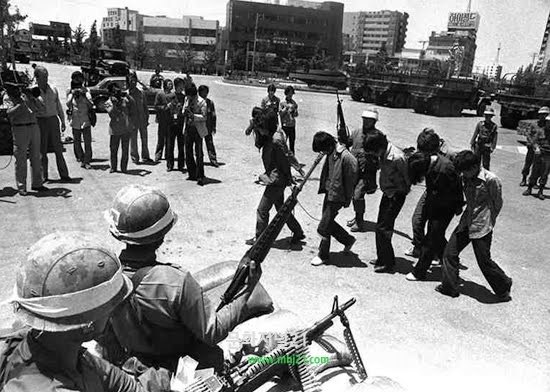
May 18 Gwangju Democratization Movement

(Hangul: 5·18 광주 민주화 운동;
Hanja: 八光州民主化運動), was
an uprising of Gwangju’s citizens in the city of
Gwangju in South Korea, from May 18
to 27, 1980. Estimates suggest
that up to 606 people may have died.

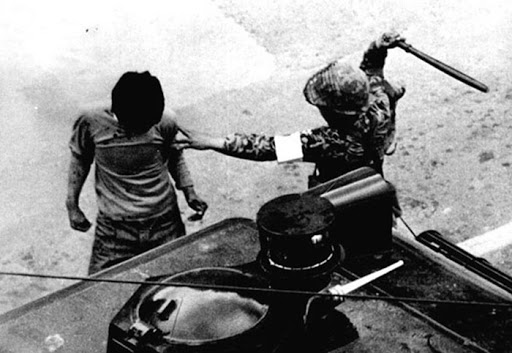
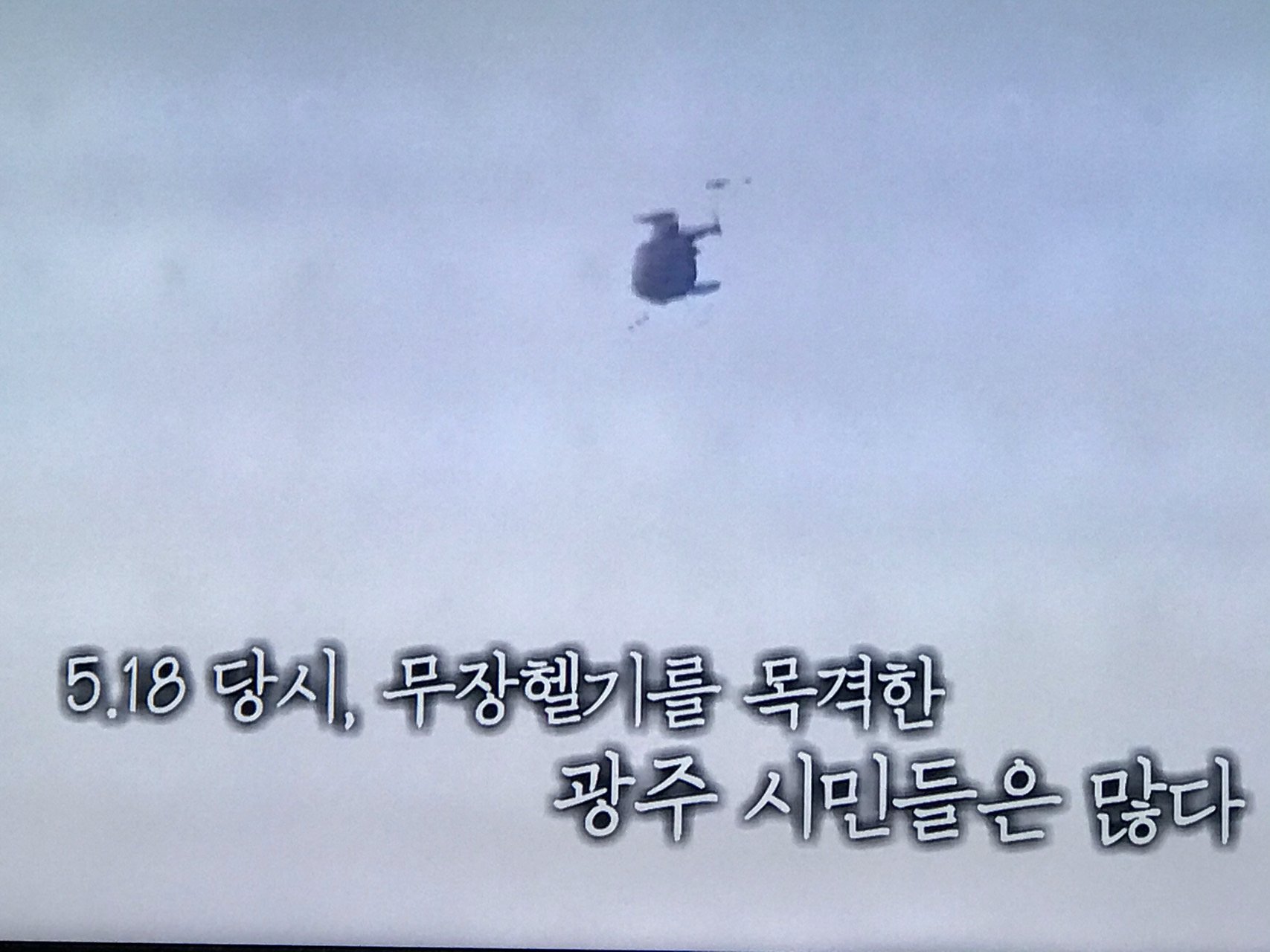
During this period, Gwangju citizens
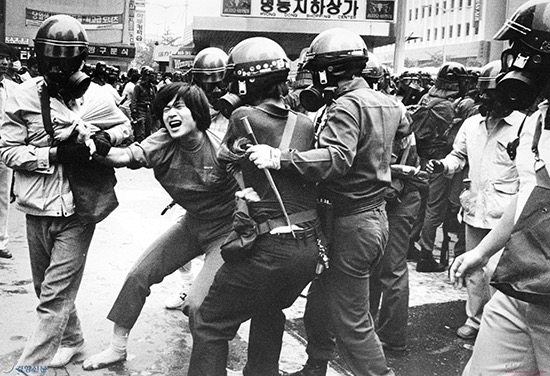
took up arms (by robbing local armories and police stations) when local Chonnam University students who were demonstrating against the martial law government were fired upon, killed, raped and beaten by government troops. The uprising ended on May 27, 1980. The event is sometimes called 5·18 (May 18; Hangul: 오일팔; Hanja: ; RR: Oilpal), in reference to the date the movement began.

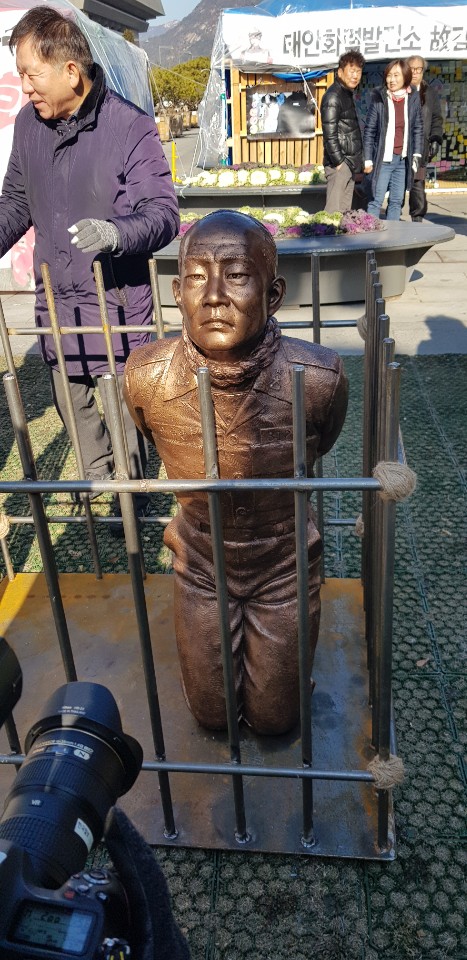
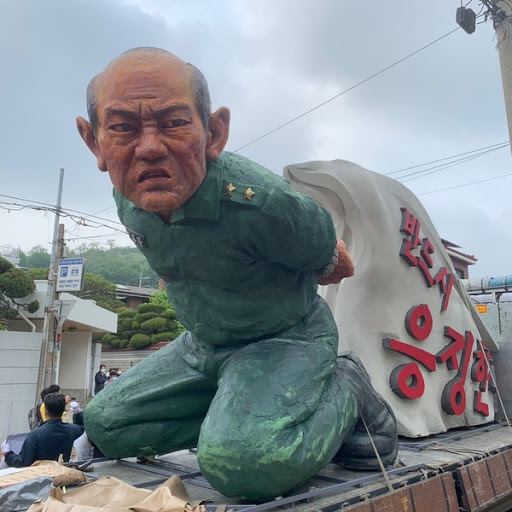
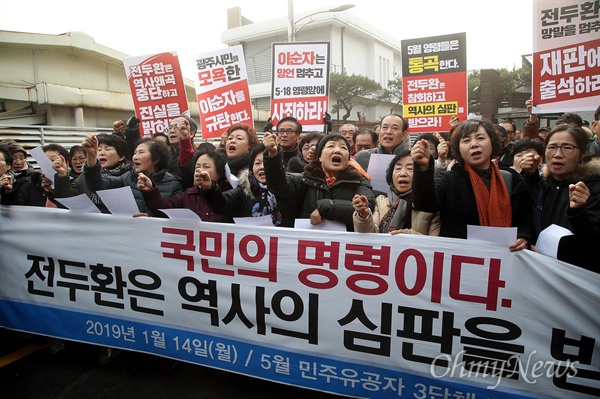
Support or denial of the Gwangju Uprising has long acted as a litmus test between conservative and far right groups and beliefs, and mainstream and progressive sectors of the population. The far right groups have sought to discredit the uprising. One of such arguments point to the fact that it occurred before Chun Doo-hwan officially took office, and so contend that it could not really have been a simple student protest against him that started it; however, Chun Doo-hwan had become the de facto leader of South Korea at that time since coming into power on December 12, 1979, after leading a successful military coup of the previous South Korean government.

During Chun Doo-hwan’s presidency, the authorities defined the incident as a rebellion instigated by Communist sympathizers and rioters.

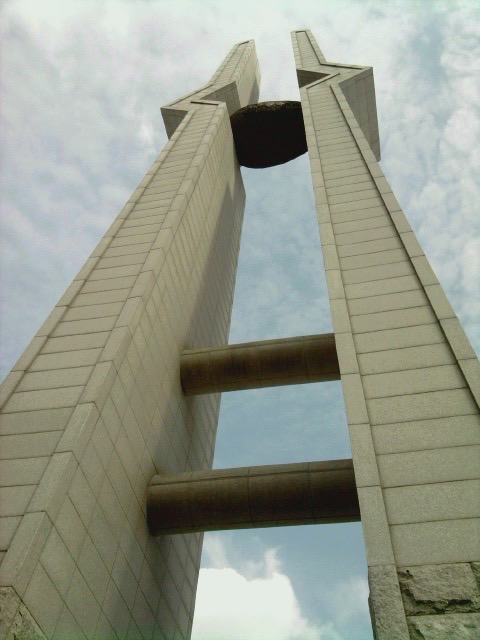
By 1997, a national cemetery and day of commemoration (May 18), along with acts to “compensate, and restore honor” to victims, were established.


In 2011, 1980 Archives for the May 18th Democratic Uprising against Military Regime located in Gwangju’s city hall were inscribed on the UNESCO Memory of the World Register.


*****


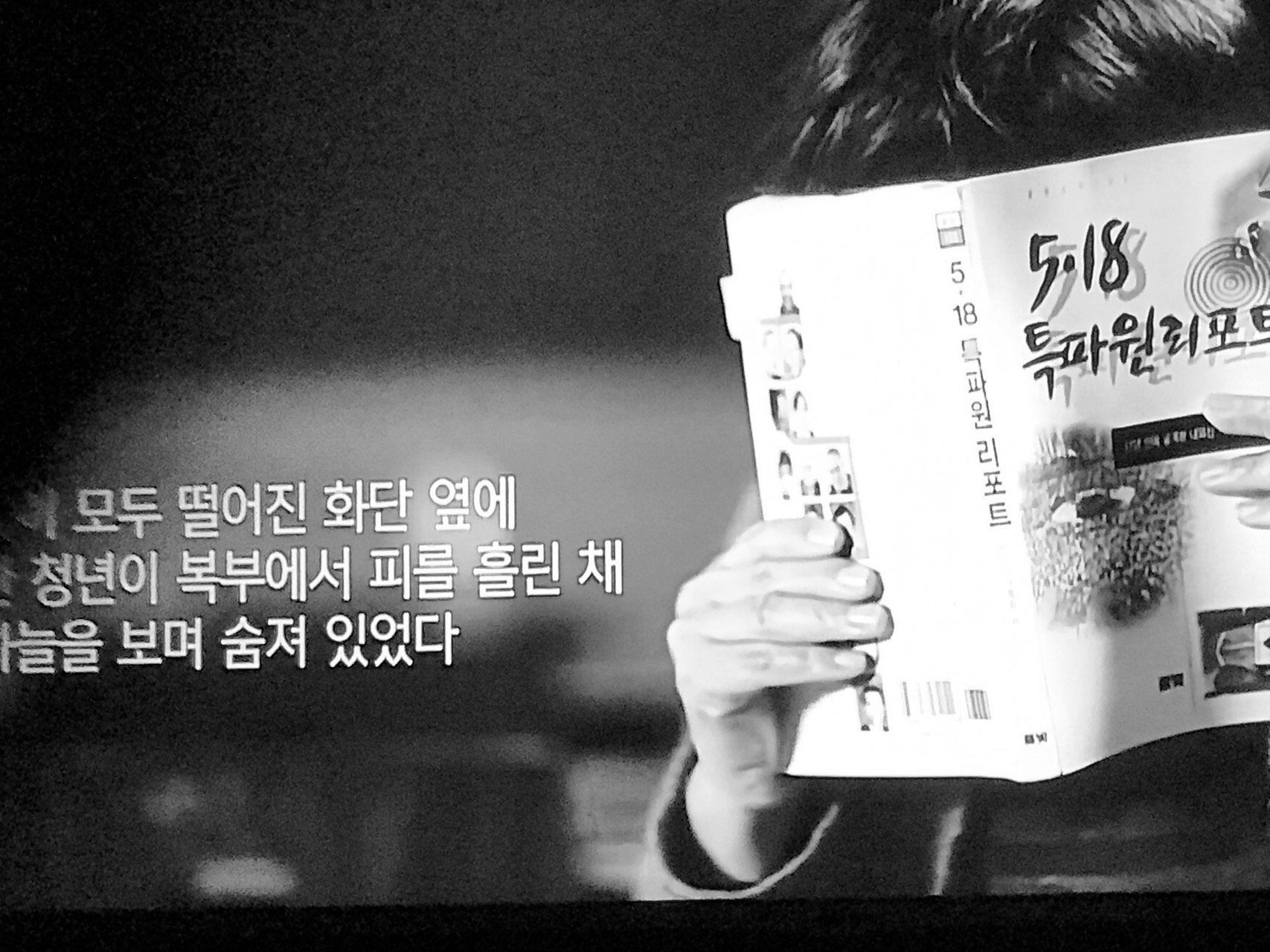
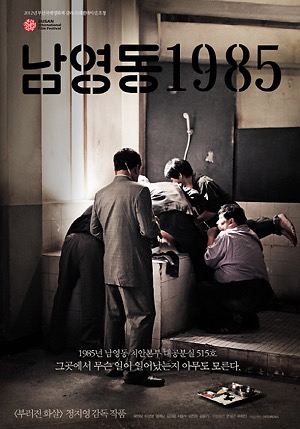
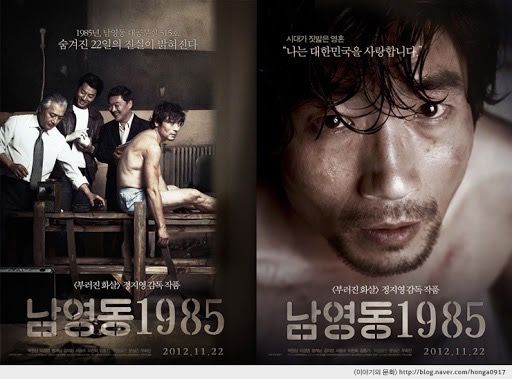
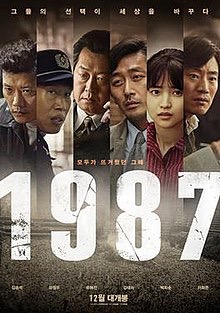
The movie about ‘The Namyoungdong  Torture House’
and The Democratization Movement
during  the former president Chun Doo-hwan’s Tyranny.


좋은시詩 & Info 감사합니다
‪http://www.loaloachristiannetwork.com/‬
<Photo from app>